Noor Trends News, Technical Analysis, Educational Tools and Recommendations

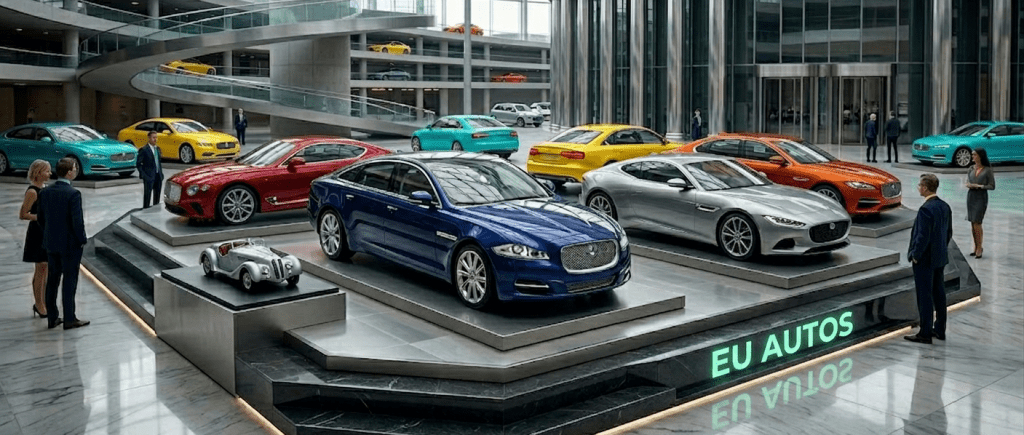
President Donald Trump announced he will raise tariffs on cars and trucks imported from the European Union to 25%, a sharp increase that could shake global markets. He accused the EU of failing to comply with last year’s trade deal, insisting the higher tariffs would push European manufacturers to move production to the United States.
Global Economy Already Fragile
The timing is critical. The ongoing Iran war has already disrupted oil and gas supplies, with the Strait of Hormuz largely closed. Energy costs are soaring, inflation is climbing, and growth forecasts are weakening worldwide. Trump’s tariff decision adds another layer of uncertainty to an economy already under strain.
Domestic Pressures Mount
At home, inflation reached 3.3% in March, higher than when Trump returned to office. Rising fuel prices have become a political liability ahead of the midterm elections. Polls show only about 30% of Americans approve of his handling of the economy, underscoring the risks of doubling down on aggressive trade measures.
Europe Pushes Back
European officials insist they are honoring the trade agreement and warn they may retaliate if the U.S. imposes measures inconsistent with the deal. The European Parliament is expected to finalize the framework soon, but tensions highlight the fragile state of transatlantic relations.
Beyond the immediate economic impact, the tariff decision highlights the growing divide between Washington and Brussels over trade and security priorities. While Trump frames the move as a way to protect American workers and pressure European automakers, critics warn it could spark a cycle of retaliation that undermines cooperation at a time when global challenges — from energy shocks to regional conflicts — demand unity rather than division.
Pattern of Confrontation
This tariff escalation fits a broader trend of confrontation. Trump has criticized NATO allies for insufficient support in the Iran conflict and unsettled diplomatic circles with bold statements earlier this year. Analysts warn that new tariffs could drive Europe and other partners to seek alternative trade alliances, leaving the U.S. more isolated.
What’s Next?
With energy prices rising and trade tensions mounting, the world economy faces a precarious moment. Trump’s gamble on EU autos may strengthen his domestic message of economic nationalism, but it risks sparking retaliation and deepening instability in global trade.