Noor Trends News, Technical Analysis, Educational Tools and Recommendations

The US Dollar managed a modest bounce on Friday after sliding to its lowest point in two weeks, but the recovery did little to change the bigger picture — the greenback is ending the week in the red, battered by a perfect storm of geopolitical uncertainty and renewed trade war anxiety.
Peace Hopes, Then Tariff Threats
Markets were briefly lifted by news that Iran submitted a new proposal through back-channel mediators aimed at de-escalating the ongoing conflict with the US and Israel. The move sparked cautious optimism and briefly pushed the dollar lower as risk appetite improved.
But that relief didn’t last long. President Trump quickly dampened the mood by threatening to slap tariffs as high as 25% on European automobile imports, reigniting trade war fears and sending mixed signals through global markets. The push-and-pull between diplomatic hope and tariff brinkmanship defined Friday’s choppy trading session.
Why the Dollar Can’t Find Its Footing
Beyond the headlines, the dollar’s weakness reflects deeper market concerns. Suspected currency intervention by Japanese authorities earlier in the week added further pressure, while investors continue to reassess the greenback’s safe-haven status amid an increasingly unpredictable US trade policy.
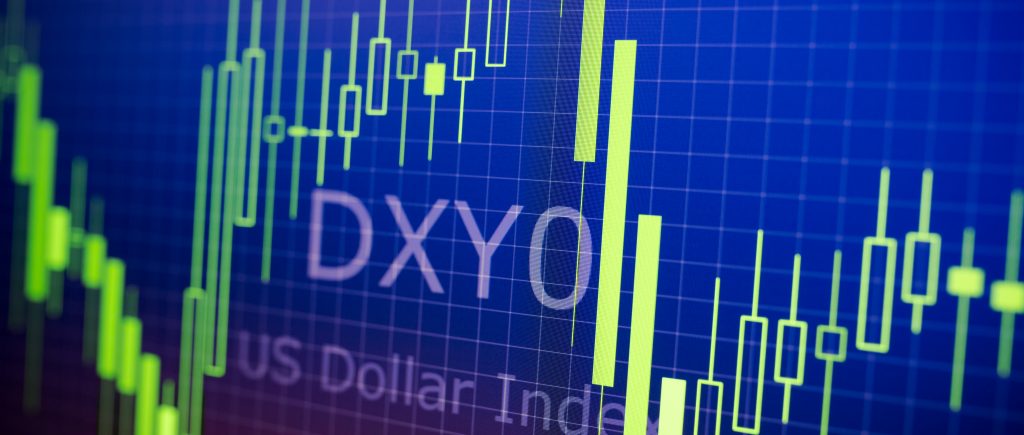
The Dollar Index was trading around 98.21 at the time of writing — well below the key psychological and technical levels that would signal a genuine recovery.
What to Watch Next Week
All eyes now turn to the upcoming Nonfarm Payrolls report, which will offer the clearest read yet on the health of the US labor market. With the Federal Reserve under intense political pressure and inflation concerns still simmering in the background, a strong jobs number could provide the dollar the lifeline it currently lacks.
For now, the path of least resistance for the dollar remains downward — unless trade tensions ease or the geopolitical picture clears significantly.