Noor Trends News, Technical Analysis, Educational Tools and Recommendations

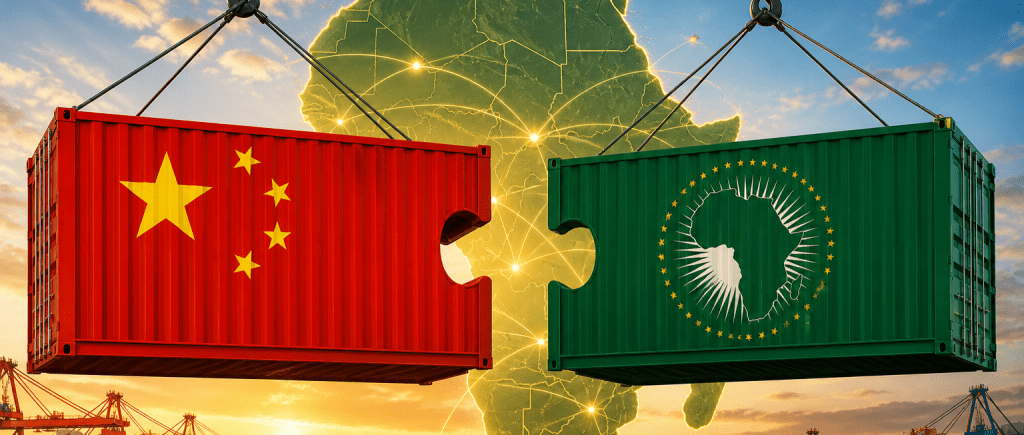
A Landmark Trade Gesture: China Expands Zero-Tariff Access for Africa
China has announced it will scrap tariffs for nearly all African countries, extending duty-free access to 53 nations until April 2028. The only exception is Eswatini, which maintains diplomatic ties with Taiwan. Beijing has highlighted the move as a sign of its commitment to Africa, positioning itself as the first major economy to offer unilateral zero-tariff treatment across the continent.
Promises and Imbalances
The policy could boost African agricultural exports, offering opportunities for products like coffee, nuts, tea, and leather. Supporters say it may help raise rural incomes and reduce poverty. Yet Africa’s trade with China remains heavily imbalanced, with Chinese exports far outweighing African sales. Last year, Africa’s trade deficit with China surged to around $102 billion, driven largely by raw material exports such as oil, cobalt, and metallic ores.
Winners and Losers
Not all countries will benefit equally. More industrialized economies like South Africa and Morocco are better positioned to expand exports under the new regime, while less developed nations may struggle due to limited infrastructure, weak logistics, and reliance on raw commodities. Experts caution that tariff reductions alone cannot solve Africa’s structural challenges or create long-term fiscal gains.
The Eswatini Exception
Eswatini’s exclusion is widely seen as a political move tied to its recognition of Taiwan. While the economic impact is limited, the decision underscores Beijing’s use of trade policy as leverage in its global diplomatic contest. By sidelining Eswatini, China signals that closer ties come with conditions — and that loyalty to Taiwan carries costs.
The Road Ahead
For Africa, the zero-tariff expansion offers short-term relief and new market opportunities, especially in agriculture. But without deeper industrial reforms and investment in infrastructure, the continent risks entrenching its role as a supplier of raw materials rather than moving up the value chain. The challenge now is to turn improved market access into a foundation for sustainable growth.