Noor Trends News, Technical Analysis, Educational Tools and Recommendations


A Diplomatic Breakthrough Sends Energy Traders Scrambling: Global oil markets reacted sharply as the newly announced U.S.–Iran agreement moved from speculation to reality, triggering a broad reassessment of energy supply expectations. Long before the formal signing, traders had begun pricing in the possibility of a diplomatic breakthrough, leading to a sustained decline in crude prices after months of extreme volatility driven by regional tensions.
The agreement marks a major turning point in a crisis that had rattled global energy markets since late February. During the height of the confrontation, concerns over disruptions in the Strait of Hormuz—one of the world’s most critical energy chokepoints—helped propel oil prices above $160 per barrel. As reports of negotiations gradually emerged, however, investor sentiment shifted dramatically, unleashing a wave of selling pressure that pushed crude prices significantly lower.
The Deal That Changed the Market Narrative
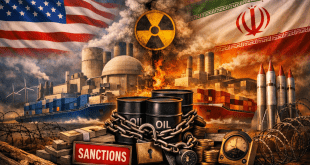
The memorandum of understanding signed by U.S. President Donald Trump and Iranian President Masoud Pezeshkian establishes a framework aimed at ending hostilities across multiple fronts, including Lebanon. The agreement also provides for the immediate reopening of the Strait of Hormuz to commercial shipping and outlines a path toward broader negotiations over the coming weeks.
Under the framework, both sides have committed to pursuing a comprehensive settlement that would address Iran’s nuclear program while paving the way for sanctions relief. For markets, the most important implication is the prospect of Iranian energy exports returning to global supply chains after a prolonged period of restrictions.
Oil Prices Slide as Supply Expectations Shift
Energy traders responded swiftly. Brent crude fell toward the upper-$70 range, while U.S. benchmark crude also posted notable declines as investors anticipated additional barrels entering the market.
The logic behind the move is straightforward. Iran possesses substantial unused production capacity that could be brought back online if sanctions are eased and export restrictions are relaxed. The possibility of increased Iranian output has intensified concerns about a future supply surplus at a time when demand growth is expected to remain relatively modest.
Analysts have also pointed to longer-term forecasts suggesting global production capacity could expand much faster than consumption in the coming years. That imbalance has prompted several major financial institutions to revise their oil-price outlooks downward, reflecting expectations that increased supply could weigh on prices well beyond the immediate aftermath of the agreement.
Ripple Effects Beyond Crude Oil
The impact of the deal extends far beyond the oil market. Industrial commodities, shipping costs, and regional trade expectations have all been affected by the prospect of reduced geopolitical risk.
Lower tensions in the Gulf could lead to a decline in war-risk insurance premiums for vessels traveling through the Strait of Hormuz, reducing transportation costs for energy exporters and importers alike. Manufacturers and commodity traders are also watching for potential improvements in supply chains that have faced repeated disruptions during the conflict.
Peace with Major Questions Ahead
Despite the market optimism, significant uncertainties remain. The agreement represents an initial framework rather than a final settlement, and several contentious issues—including sanctions implementation, frozen Iranian assets, and long-term nuclear restrictions—are still subject to future negotiations.
Investors are also aware that geopolitical risks have not disappeared. The recent crisis demonstrated how quickly a disruption in the Strait of Hormuz can send shockwaves through global markets. While the reopening of the waterway has eased immediate fears, traders remain cautious about the durability of the arrangement and the possibility that regional tensions could flare up again.
For now, however, the message from the market is clear: the prospect of additional Iranian oil returning to global supply is outweighing fears of disruption, and that shift is reshaping the outlook for energy prices worldwide.