Noor Trends News, Technical Analysis, Educational Tools and Recommendations

Key Takeaways
- Versailles signing: Trump signed the MOU with Iran during a dinner at France’s Versailles palace — an unexpected venue ahead of the planned Switzerland ceremony.
- Iranian president also signs: Masoud Pezeshkian signed on behalf of Tehran, per IRNA images; both sides also completed electronic signatures.
- Switzerland ceremony status unclear: The Friday signing ceremony in Geneva is now in question following the Versailles development.
- “Immediate effect”: Pakistani President Sharif — the key mediator — confirmed the deal takes effect immediately and calls for a permanent halt to hostilities.
- 60-day nuclear clock running: Nuclear talks are set to begin in Switzerland from Friday to Sunday, with a 60-day deadline for negotiations.
- Hormuz reopens toll-free for two months: The strait will open without fees for two months; future tolls are not ruled out.
- U.S. sanctions waiver: Washington will waive some sanctions on Iran under the agreement.
- $300 billion reconstruction fund: A fund for Iran’s reconstruction will be established; Trump stressed the U.S. will not contribute.
- Lebanon’s integrity reaffirmed: The document addressed Lebanon’s territorial integrity — a major sticking point throughout the peace process.
- Trump warns attacks could restart: The president cautioned that hostilities could resume, underscoring the deal’s fragility.
- Full text not yet released: White House officials have yet to publish the MOU; U.S. officials dictated a draft to journalists.
- Iran’s nuclear ambitions remain unresolved: The IAEA notes Iran is the only country to have enriched 60% uranium without a weapons program.
- IEA’s Birol warns: Several countries are reviewing energy strategies over fears Iran could close Hormuz again.
- Oil prices drop: Crude fell on the reopening announcement, easing global inflation concerns.
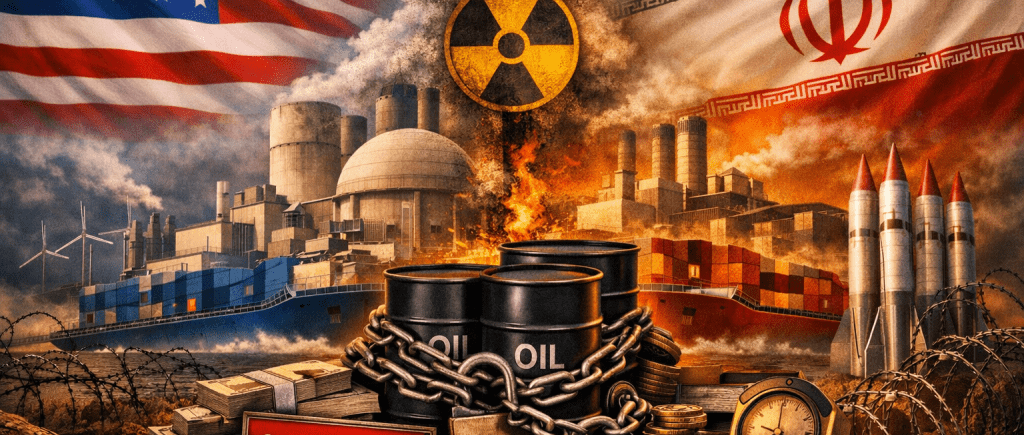
The United States and Iran have signed an initial deal to end their war and reopen the Strait of Hormuz, although an agreement on Tehran’s nuclear ambitions remained to be secured.
U.S. President Donald Trump signed the memorandum of understanding with Iran during a dinner at France’s Versailles palace on Wednesday, according to media reports and a video posted to social media by French President Emmanuel Macron. But Trump warned that attacks on Iran could restart.
Speaking to reporters as he left the dinner, Trump said the deal had been signed. The move was unexpected, given that a formal signing ceremony between representatives from the two sides was slated to take place in Switzerland on Friday. The status of that ceremony is now unclear.
The document was also signed by Iranian President Masoud Pezeshkian on behalf of Tehran, an image from the state-run IRNA news agency showed. Separate reports also said the accord had been electronically signed by leaders from both sides.
Deal Takes “Immediate Effect”
The deal takes “immediate effect” and calls for a permanent halt to hostilities between the United States and Iran, said Pakistani President Shehbaz Sharif — who has served as a mediator during recent talks. Washington and Tehran have been at war since late February, but have spent much of the past two months in a fragile ceasefire.
A 60-day deadline for negotiations on Iran’s nuclear program is now underway. Nuclear talks are due to be held in Switzerland from Friday to Sunday, the Wall Street Journal reported.
Trump has long made eradicating Iranian nuclear capabilities a central aim of his war. Iran, for its part, has maintained its nuclear ambitions are peaceful — although the International Atomic Energy Agency has said it is the only country to have enriched 60% of its uranium without a weapons program.
Deal Reopens Strait of Hormuz
White House officials have yet to release the full text of the memorandum of understanding, leaving many of its details veiled in uncertainty. However, U.S. officials dictated the draft agreement to journalists, the Associated Press reported, adding that a text published by the Iranians largely tracks with what the United States has said.
Along with ending the fighting and kickstarting nuclear talks, the deal would reopen the Strait of Hormuz — a vital conduit for a fifth of the world’s oil and liquefied natural gas that has been effectively shuttered for months. Oil prices have surged as a result, sparking fears of a wave of global inflation.
The agreement would unblock the strait without tolls for two months, although it does not eliminate the possibility of fees being imposed in the future, the AP said. The United States would then waive some sanctions on Iran, the news agency added.
Still, several countries are reviewing their energy strategies due to worries that Iran could close the strait again, as it did after the start of the war, International Energy Agency head Fatih Birol flagged.
A $300 billion reconstruction fund for Iran would also be established, although it was not immediately clear what the fund would entail. Trump stressed that the United States would not contribute to the fund.
Lebanon’s territorial integrity was reaffirmed by the document as well. Attacks by U.S.-aligned Israel against Iran-backed Hezbollah militia in Lebanon have been a major sticking point in peace discussions throughout the conflict.