Noor Trends News, Technical Analysis, Educational Tools and Recommendations

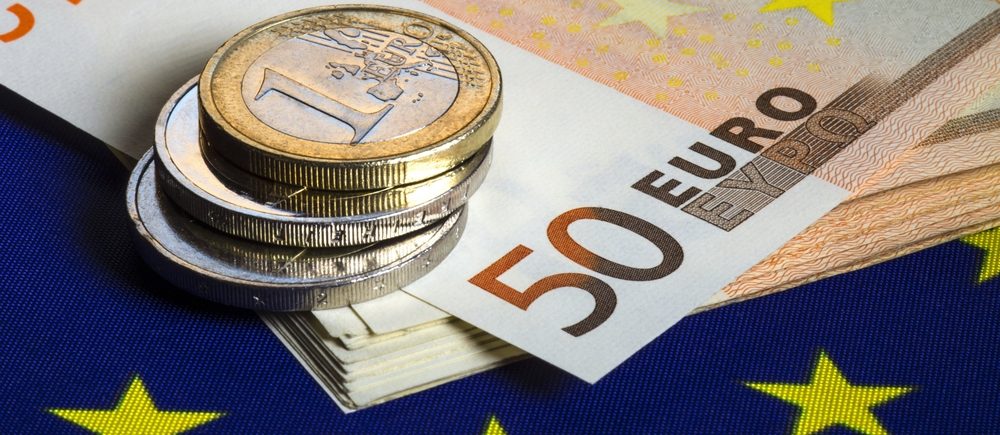
Europe’s growth holds firm as inflation risks refuse to fade. As geopolitical tensions show signs of easing and energy markets begin to stabilize, the Eurozone finds itself navigating a complex economic crossroads. Political developments abroad have improved market sentiment and reduced some of the pressures that weighed heavily on businesses and consumers over the past year. Yet despite these encouraging signals, policymakers remain reluctant to declare victory over inflation.
The challenge facing Europe is clear: how to preserve economic momentum without allowing price pressures to regain strength. It is a delicate balancing act that has become one of the defining economic stories of the year.
Why Policymakers Remain Cautious
Although lower energy costs and improving global conditions offer reasons for optimism, monetary authorities continue to emphasize vigilance. Inflation may have eased from its earlier peaks, but officials are aware that the path back to long-term price stability is rarely straightforward.
The concern is that temporary improvements in energy markets could create a false sense of security. Consumer expectations, wage growth, and broader business costs still have the potential to keep inflation elevated even if oil and gas prices remain under control. As a result, policymakers appear determined to avoid moving too quickly toward a more accommodative stance.
For Europe’s decision-makers, the lesson of recent years is clear: external shocks can reappear with little warning, and maintaining credibility in the fight against inflation remains a top priority.
The Forces Driving the Euro
The performance of the euro continues to reflect a mix of economic and geopolitical influences. Interest-rate expectations remain a major driver, with investors closely monitoring how European policy compares with that of other major economies.
At the same time, economic indicators—from business activity and employment data to consumer spending trends—play an increasingly important role in shaping confidence toward the region. Stronger growth prospects tend to support the currency, while signs of economic weakness can quickly reverse sentiment.
Europe’s dependence on global trade and imported energy also leaves the currency particularly sensitive to geopolitical developments. Changes in energy prices, supply-chain conditions, or regional security concerns can have an immediate impact on investor expectations.
The Surprising Strength of the Eurozone Economy
Despite repeated warnings of slowdown and recession over the past two years, the Eurozone economy has demonstrated notable resilience. Businesses and households have adapted to higher borrowing costs more effectively than many had anticipated, while labor markets have remained remarkably stable.
This unexpected durability has challenged earlier forecasts that predicted a much sharper economic downturn. Instead, growth has continued, albeit at a moderate pace, supported by resilient consumer demand and improving confidence across several sectors.
The ability of the economy to withstand energy shocks, inflationary pressures, and geopolitical uncertainty has become one of Europe’s most important strengths. Rather than collapsing under the weight of multiple crises, the region has shown a capacity to adapt and recover.
Can Europe Achieve the Elusive Soft Landing?
The key question now is whether the Eurozone can maintain this resilience while gradually bringing inflation under control. A successful outcome would allow growth to continue without triggering a new wave of price increases or pushing the economy into recession.
Such a scenario remains possible, but risks persist. Global uncertainties, energy market volatility, and lingering inflation pressures continue to cast a shadow over the outlook. Policymakers must therefore walk a narrow path between supporting economic activity and preserving price stability.
The Road Ahead
Europe enters the second half of the year with reasons for both confidence and caution. The economy has proven stronger than expected, yet the battle against inflation is not fully won. Growth remains intact, but external risks have not disappeared.
For now, the Eurozone stands between two competing realities: an economy that continues to surprise with its resilience and a policy environment that cannot afford complacency. How successfully Europe manages this balance may determine not only the trajectory of the euro, but also the broader economic outlook for the continent in the months ahead.