Noor Trends News, Technical Analysis, Educational Tools and Recommendations

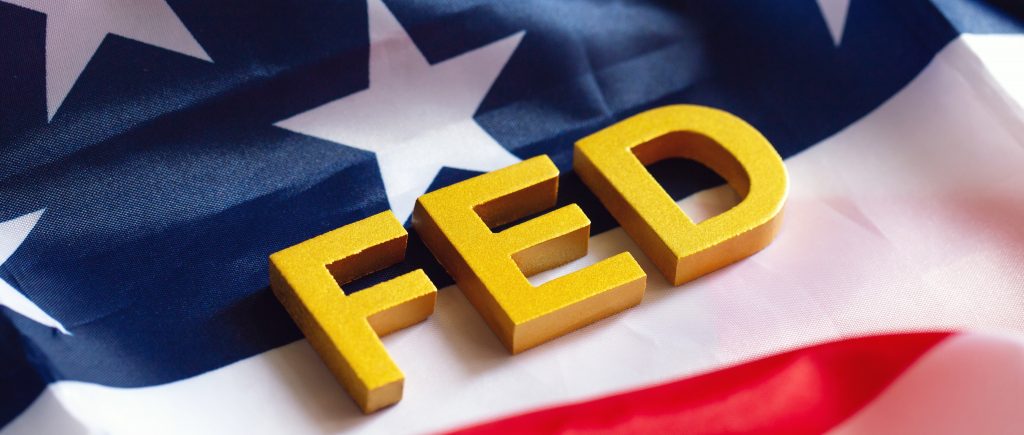
Millions of Americans hoping for lower borrowing costs this summer are likely to be disappointed.
When the Federal Reserve concludes its latest policy meeting this week, investors overwhelmingly expect interest rates to remain unchanged. Yet the bigger story may not be the decision itself, but what it reveals about the philosophy of the central bank’s new chairman, Kevin Warsh.
His arrival comes at a difficult moment for the U.S. economy. Inflation remains stubbornly above the Federal Reserve’s long-term target, energy prices have been volatile, and households continue to struggle with the cumulative impact of several years of elevated living costs.
For consumers looking for cheaper mortgages, lower credit-card rates or more affordable auto loans, relief may still be some distance away.
A Chairman Facing Two Opposing Pressures
Warsh enters office caught between competing forces.
On one side is a political environment calling for lower interest rates to support growth and ease financial pressures on households. On the other is an inflation battle that many economists believe has not yet been fully won.
That tension makes this week’s meeting particularly important. While markets see little chance of an immediate rate cut, some analysts believe policymakers may remain concerned that inflation risks could re-emerge, especially if energy markets become unstable again or consumer prices prove more persistent than expected.
The result is a Federal Reserve that appears reluctant to declare victory.
The Inflation Debate Behind Closed Doors
One of the more intriguing aspects of Warsh’s approach is how he measures inflation.
Rather than focusing exclusively on traditional inflation gauges, he has shown interest in alternative measures designed to filter out extreme price swings and identify underlying trends.
Supporters argue these indicators can provide a clearer picture of whether inflation is becoming a lasting problem or merely reflecting temporary shocks.
Critics counter that seemingly temporary price increases often become permanent, making it risky to dismiss them too quickly.
The distinction matters because different inflation measures are currently telling different stories about the state of the economy.
And depending on which story policymakers choose to believe, interest rates could remain elevated for much longer than markets once expected.
Why Consumers Should Care
Federal Reserve decisions rarely stay confined to Wall Street. The central bank’s benchmark rate influences the cost of borrowing throughout the economy, affecting everything from credit cards and auto loans to home financing and business investment.
When rates remain high, monthly payments rise, borrowing slows and consumers become more cautious. For many households, that reality is already painfully familiar.
Americans continue to face higher costs for housing, transportation, insurance and essential services. Even as inflation has cooled from its peak, many prices remain far above pre-crisis levels. As a result, families are increasingly feeling squeezed between expensive goods and expensive credit.
A Growing Divide in the Economy
The burden is not being shared equally.
Higher-income households have generally been better positioned to absorb rising costs, benefiting from stronger investment portfolios, wage growth and financial cushions built during the post-pandemic years.
Lower- and middle-income families, however, are experiencing a very different reality.
Many continue to rely on credit to cover everyday expenses while facing higher borrowing costs across nearly every category of consumer finance.
This widening gap has created what economists often describe as a “K-shaped economy”—one in which different groups experience dramatically different economic outcomes despite living in the same country.
The Message Markets Are Hearing
The Federal Reserve may leave rates unchanged this week, but investors will be listening closely for something even more important: clues about what comes next. Just months ago, many expected a series of rate cuts in 2026. Today, those expectations have faded considerably.
Instead, a growing number of investors are beginning to prepare for a world in which borrowing costs remain elevated well into the future.
For households waiting for relief, that may be the most important takeaway from the Fed’s first meeting under its new chairman. The question is no longer when rates will fall. It is whether Americans have underestimated how long they may stay high.