Noor Trends News, Technical Analysis, Educational Tools and Recommendations

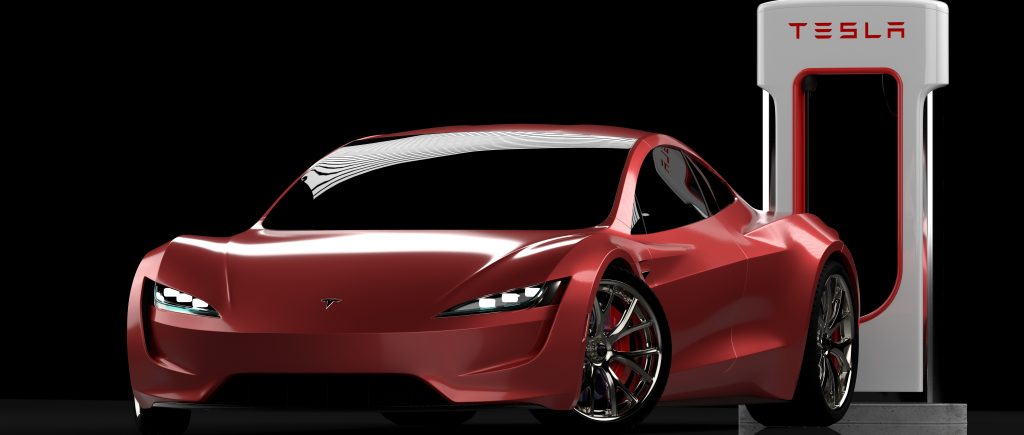
Tesla has returned to the spotlight once again, not only because of a new government investigation into a fatal crash in Texas, but also due to growing questions about the future of its autonomous driving technology. While these developments may create short-term concerns in the stock market, many analysts believe the real story lies in Tesla’s ability to transform its artificial intelligence and Robotaxi ambitions into a sustainable commercial business — a factor that could ultimately shape the company’s long-term future.
The renewed attention comes after the U.S. National Highway Traffic Safety Administration (NHTSA) launched a new investigation following a fatal accident in Texas. A Tesla Model 3 reportedly crashed into a residential building in Katy, resulting in the death of a 76-year-old homeowner.
Although such investigations can trigger temporary volatility in Tesla shares, investors remain more focused on whether the company can successfully commercialize autonomous driving technology on a large scale. Tesla remains one of the world’s leading electric vehicle manufacturers and a major player in artificial intelligence, robotics, and energy solutions. The company currently holds a market capitalization of approximately $1.43 trillion, reflecting strong investor expectations for its future growth.
From a stock performance perspective, Tesla shares have risen 31% from their 52-week low of $288.77 but remain 24% below their 52-week high of $498.83. The stock has outperformed many competitors in the automotive sector, driven largely by enthusiasm surrounding autonomous driving and AI technologies.
Valuation remains a point of debate among investors. Tesla trades at a price-to-earnings ratio of 340.8 and approximately 16 times revenue, significantly higher than most traditional automakers and many technology companies. These premium valuations reflect expectations for substantial future revenue from Full Self-Driving (FSD), Robotaxi services, and the Optimus humanoid robot project.
Financially, Tesla reported strong first-quarter 2026 results. Revenue reached $22.39 billion, representing 16% year-over-year growth, while earnings per share came in at $0.41, exceeding analyst estimates of $0.30. Gross margin improved to 21.1%, and free cash flow doubled to $1.44 billion.
Tesla’s autonomous driving business also showed notable momentum, with active FSD subscriptions increasing 51% to 1.28 million. At the same time, Robotaxi pilot programs began operating in Dallas and Houston, while the company secured additional regulatory approvals in Europe.
Regarding the recent Texas accident, company statements suggest that the driver applied significant acceleration and may have overridden the autonomous driving system before the collision. If confirmed, this could influence the investigation’s outcome without materially altering Tesla’s long-term strategy.
Wall Street sentiment currently points to a “Moderate Buy” rating on Tesla shares, with an average price target of $411.91, implying roughly 10% upside from current levels. However, analyst forecasts vary widely, ranging from $123 to $600 per share.
Despite the pressure stemming from ongoing investigations, the central investment thesis for Tesla remains unchanged: the company’s success will largely depend on its ability to execute its vision for autonomous transportation and AI-powered services. That progress may ultimately determine the future direction of the stock.