Noor Trends News, Technical Analysis, Educational Tools and Recommendations

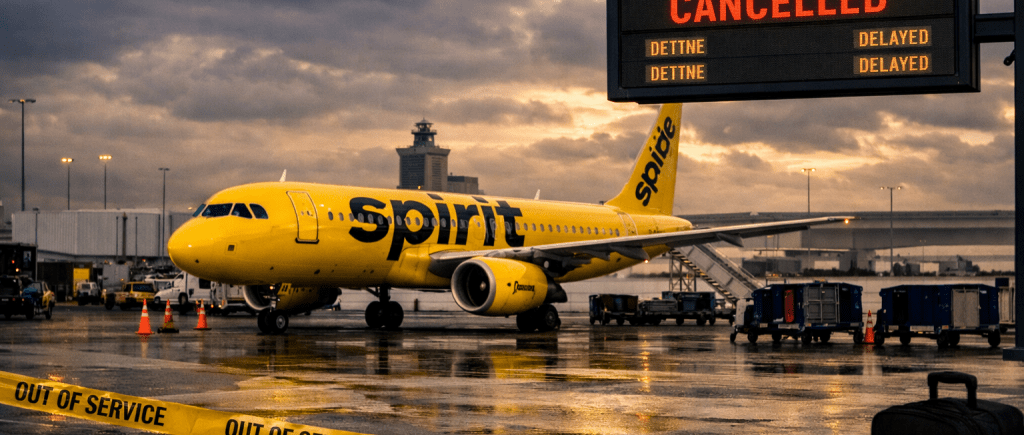
Spirit Airlines, long known for its ultra-low-cost fares, is preparing to shut down operations after a proposed government rescue package fell apart. The plan, which aimed to inject fresh capital into the struggling carrier, was rejected by key creditors—leaving the airline with no viable path forward.
Mounting Pressures
The airline has been battling financial turbulence for years, weighed down by heavy debt and rising costs. Recent spikes in fuel prices added further strain, eroding the company’s ability to sustain its budget model. Without relief, Spirit found itself unable to continue flying in an already competitive market.
Impact on Travelers and Employees
The closure would mean thousands of employees losing their jobs and travelers losing one of the few remaining low-cost options in the U.S. market. For passengers, the disappearance of Spirit could translate into higher ticket prices as competition among budget carriers diminishes.
A Shifting Market Landscape
Industry observers note that Spirit’s exit could trigger broader changes in the airline sector. Other low-cost carriers may attempt to absorb Spirit’s routes, while larger airlines could seize the opportunity to strengthen their market share. Either way, the end of Spirit Airlines marks a significant turning point for affordable air travel in the United States.