Noor Trends News, Technical Analysis, Educational Tools and Recommendations

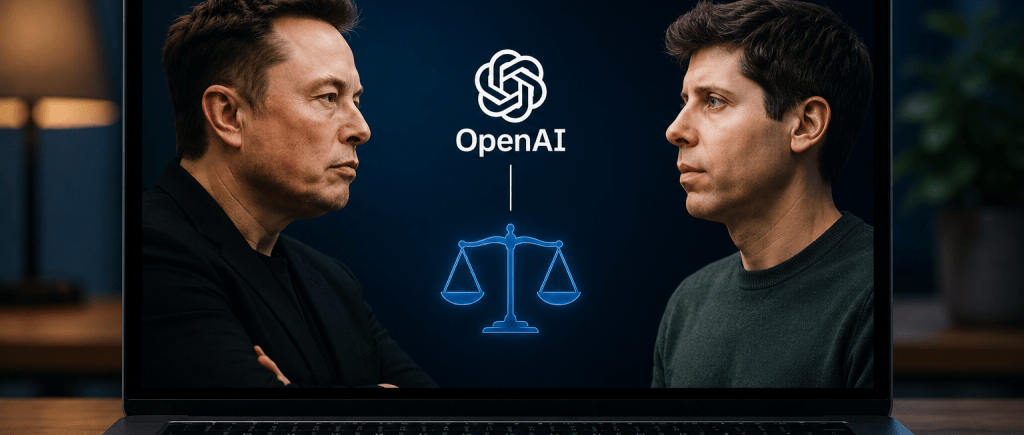
A major legal battle surrounding artificial intelligence came to an abrupt end after Elon Musk lost his high-profile lawsuit against OpenAI and its leadership, removing one of the biggest legal threats hanging over the company behind ChatGPT.
The case centered on accusations that OpenAI abandoned its original nonprofit mission and shifted toward a profit-driven structure that allegedly benefited executives and investors. Musk, who helped fund and co-found the company in its early days, argued that the organization had moved away from the principles on which it was created.
However, the court dismissed the claims after determining that the lawsuit had been filed too late under applicable legal deadlines, effectively ending the case without ruling on the broader accusations.
What the Decision Means for OpenAI and ChatGPT
The ruling delivers a major victory for OpenAI at a critical moment in the global AI race. With the legal cloud temporarily lifted, the company can continue accelerating development of advanced AI systems, including future versions of ChatGPT, without the immediate threat of courtroom disruption.
The outcome also strengthens OpenAI’s position as one of the most influential companies in artificial intelligence, particularly as competition intensifies among major technology firms investing billions into generative AI tools, enterprise systems, and automation platforms.
Industry observers believe the decision could also improve investor confidence and make it easier for OpenAI to pursue large-scale expansion plans, partnerships, and potential fundraising efforts in the near future.
Why the Lawsuit Drew Global Attention
The courtroom battle attracted widespread interest because it exposed rare behind-the-scenes details from one of the world’s most powerful AI companies. The proceedings reportedly included private communications, internal documents, and testimony from several major figures in the technology industry.
Beyond the legal dispute itself, the case reignited a broader debate over the future of artificial intelligence: should advanced AI systems remain mission-driven public-interest projects, or evolve into highly profitable commercial businesses competing for global dominance? That debate is expected to continue even after the lawsuit’s collapse.
Elon Musk and OpenAI: From Founding Partners to Fierce Rivals
The legal fight also highlighted the dramatic breakdown in the relationship between Elon Musk and OpenAI’s leadership. Musk was originally among the organization’s earliest supporters before later becoming one of its harshest critics.
Since then, tensions between the two sides have intensified as artificial intelligence transformed from a niche research field into one of the most valuable and strategically important industries in the world.
The collapse of the lawsuit now leaves OpenAI with fewer immediate legal obstacles — while intensifying pressure on rivals trying to challenge the company’s growing dominance in the AI sector.