Noor Trends News, Technical Analysis, Educational Tools and Recommendations

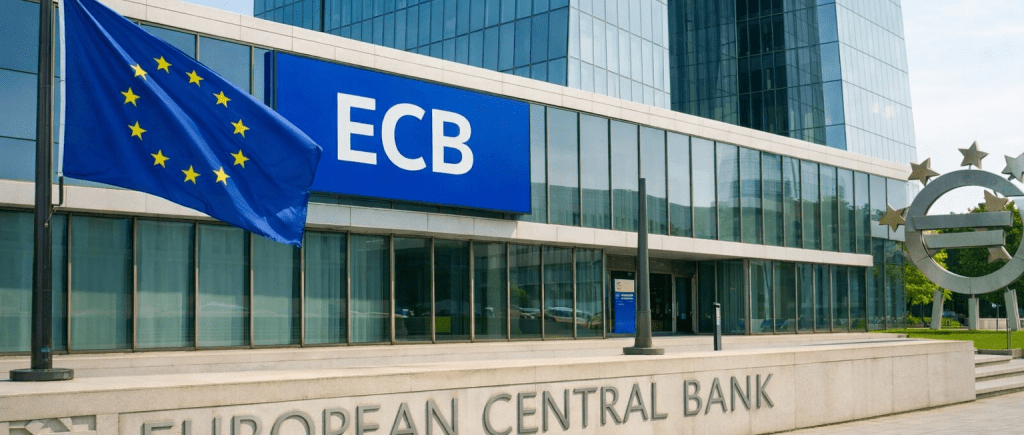
European stock markets closed mostly higher on Thursday after European Central Bank President Christine Lagarde and policymakers delivered another interest-rate increase, reinforcing their commitment to fighting inflation despite growing economic and geopolitical challenges.
The move signaled that the ECB remains concerned about the inflationary impact of rising energy costs and ongoing tensions in the Middle East. Investors interpreted the decision as a sign that policymakers are prepared to keep monetary policy restrictive if price pressures continue to build.
Lagarde Signals Determination to Keep Inflation Under Control
The latest rate hike highlighted the ECB’s focus on maintaining price stability as energy markets remain vulnerable to geopolitical disruptions. While higher borrowing costs can slow economic activity, investors viewed the central bank’s message as a demonstration of confidence in the eurozone economy’s ability to withstand tighter financial conditions.
Market participants are increasingly watching whether higher energy prices could trigger a new wave of inflation across Europe, potentially forcing policymakers to keep rates elevated for longer.
Banking and Technology Shares Lead Market Gains
European equities responded positively to the ECB decision, with banking, industrial, and technology stocks helping drive regional indexes higher. Financial institutions benefited from expectations that higher interest rates could support profit margins, while technology shares attracted renewed buying interest.
France’s stock market posted solid gains, supported by strong performances in the technology sector. Broader European benchmarks also advanced as investors focused on corporate resilience despite a challenging macroeconomic environment.
Germany’s benchmark index finished little changed, reflecting a more cautious tone among investors, but gains across other major European markets helped lift overall sentiment.
Euro and Pound Ease Against a Stronger Dollar
Despite the positive performance in equities, the euro and British pound weakened against the US dollar. Currency traders continued to favor the greenback amid global uncertainty and expectations that interest rates may remain elevated in major economies.
The dollar has also found support from resilient US economic data and persistent inflation concerns, which have reinforced expectations that policymakers will remain cautious about cutting rates.
Markets Watch Middle East Risks and Inflation Outlook
Investors now face a delicate balancing act between confidence in corporate earnings and concerns about the impact of higher interest rates on economic growth. Developments in the Middle East remain a major source of uncertainty, particularly for energy markets and inflation expectations.
For now, Lagarde’s latest rate hike has provided a boost to European equities, but markets remain highly sensitive to both geopolitical headlines and future signals from central banks as they navigate an increasingly complex economic landscape.