Noor Trends News, Technical Analysis, Educational Tools and Recommendations

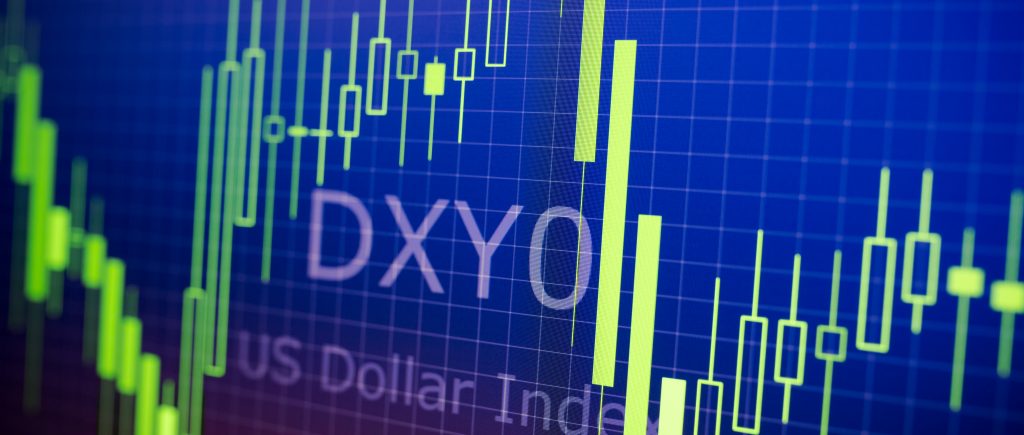
Dollar Shaken as Iran Deal Hopes Redraw Global Market Mood
Global financial markets ended Thursday on a dramatic shift in sentiment after reports of a potential agreement between the United States and Iran fueled hopes that tensions in the Middle East could finally ease. The news triggered a broad retreat in the US Dollar while reviving appetite for riskier assets, commodities, and major currencies.
Investors rapidly moved away from the Dollar as traders reacted to expectations that a possible diplomatic breakthrough could reduce geopolitical fears that had dominated markets for weeks. The sudden change in mood pushed global currencies higher against the Greenback and revived optimism across several financial sectors.
Euro and Pound Rally as Dollar Weakens
The euro rebounded strongly after recent pressure, supported both by the weaker US Dollar and anticipation surrounding fresh German inflation data and labor market figures. Traders are now closely watching whether Europe’s largest economy can maintain signs of resilience amid ongoing global uncertainty.
The British pound also returned to gains after suffering consecutive declines earlier in the week. Improved investor confidence and easing geopolitical anxiety helped sterling recover, while markets now await signals from the Bank of England regarding the future direction of interest rates and the British economy.
Yen Pulls Back After Dollar Loses Momentum
The Japanese yen strengthened after the Dollar lost momentum following the geopolitical headlines. Earlier gains in the US currency quickly faded as investors reassessed demand for safe-haven assets.
Attention is now turning toward a series of important economic indicators from Japan, including inflation, industrial production, retail sales, and employment figures, all of which could shape expectations for the country’s monetary policy outlook.
Australian Dollar Finds Fresh Support
The Australian Dollar also regained ground after two sessions of losses, benefiting from the improved global risk environment. Market optimism surrounding the potential easing of Middle East tensions encouraged investors to return to higher-yield currencies and commodity-linked assets.
Economic figures tied to lending activity and private sector credit are expected to provide further clues about the strength of the Australian economy in the coming days.
Oil Slides as Markets Eye Middle East Calm
Oil prices remained under pressure as traders weighed the possibility of reduced conflict risks in the Middle East. Hopes that key shipping routes could operate more smoothly again helped ease concerns over supply disruptions, pushing crude prices lower.
The market reaction reflects growing expectations that any diplomatic progress between Washington and Tehran could reduce fears of a broader regional escalation that had previously driven energy prices sharply higher.
Gold Recovers but Faces Uncertain Path
Gold bounced back after recent heavy losses, supported by the weaker US Dollar and renewed market caution. However, despite the recovery, the precious metal remains caught between two powerful forces: geopolitical uncertainty on one side and expectations of prolonged high US interest rates on the other.
Investors continue to see gold as a critical hedge during periods of instability, though stronger monetary tightening expectations could still limit further gains in the near term.
Markets Await Next Economic Shockwaves
As traders digest the implications of a possible US-Iran breakthrough, attention is now shifting toward upcoming economic data from the United States, Europe, Japan, and Australia.
Currency markets remain highly sensitive to both geopolitical headlines and central bank expectations, meaning volatility could intensify again at any moment if diplomatic progress stalls or inflation pressures return unexpectedly.