Noor Trends News, Technical Analysis, Educational Tools and Recommendations

Key Takeaways
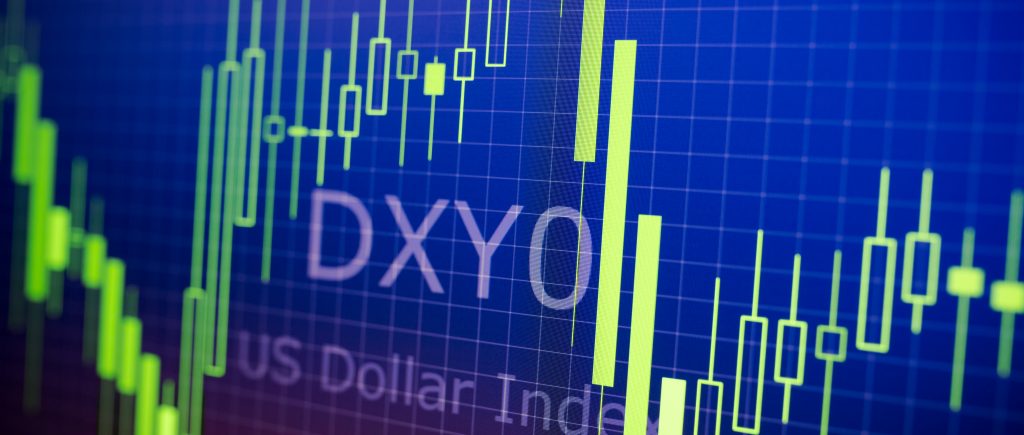
- Dollar edges up: The DXY rose 0.2% to 99.05 after last week’s decline; euro dipped 0.1% to $1.1647, pound held at $1.3459.
- Weekend strikes resume: The U.S. struck Iranian air-defense and drone facilities after Iran allegedly downed a U.S. drone.
- Iran retaliates: Tehran attacked a U.S.-used air base; Israel simultaneously pushed deeper into southern Lebanon.
- Ceasefire talks stall: Washington and Tehran continue discussing a truce extension and Hormuz reopening, but key issues remain unresolved and Trump’s approval is still needed.
- Oil rises: Crude prices climbed on Monday, reinforcing energy inflation concerns.
- Rate hike fears build: The oil price uptick is feeding expectations of potential interest rate increases from major central banks including the Fed.
- Nonfarm payrolls the week’s main event: Friday’s U.S. jobs report will provide crucial clues on the Fed’s policy path.
- ISM data also due: Business activity indicators will offer further insight into the broader economic impact of the Iran war.
The U.S. dollar traded little changed on Monday, as investors weighed persistent geopolitical uncertainty in the Middle East along with growing inflation concerns that could keep U.S. interest rates elevated for longer.
The U.S. dollar index — which tracks the greenback against a basket of currency peers — was last up 0.2% at 99.05, after a weekly decline. Meanwhile, the euro edged down 0.1% against the dollar to $1.1647, and the British pound held steady at $1.3459.
U.S.-Iran Negotiations Drag On
Markets remained focused on developments in the Middle East and the outlook for global monetary policy.
The U.S. military said it struck Iranian military sites over the weekend, targeting air-defense and drone-related facilities after Iran allegedly downed a U.S. drone.
Tehran responded by attacking an air base used by U.S. forces. At the same time, Israel ordered troops deeper into southern Lebanon as fighting with the Iranian-backed Hezbollah group intensified.
While reports last week suggested Washington and Tehran were discussing an extension of a temporary truce and the reopening of shipping routes through the Strait of Hormuz, key issues remain unresolved — and any final agreement still requires approval from U.S. President Donald Trump.
Inflation Risks Stoke Rate Hike Fears
Crude prices ticked higher on Monday. Market participants have increasingly shifted their focus toward the risk of energy-induced inflation, especially as the recent uptick in oil prices feeds expectations for potential interest rate hikes by major central banks, including the Federal Reserve.
Attention this week will center on U.S. labor market data, including Friday’s nonfarm payrolls report, for further clues on the Fed’s policy path. Separate numbers from the Institute for Supply Management may offer insight into overall business activity as well.