 Noor Trends News, Technical Analysis, Educational Tools and Recommendations

AI Chip Rally Returns as Oil Prices Retreat: Can the Technology Boom Keep Driving Global Markets?
Semiconductor Stocks Regain Momentum After a Brief Pullback
Technology shares bounced back strongly at the start of the week, led by a renewed rally in semiconductor companies, signaling that investor confidence in the artificial intelligence sector remains largely intact despite recent volatility.
Major US stock indexes advanced as investors returned to buying technology shares after last week’s sell-off. Easing concerns over the possibility of an immediate US interest-rate increase also helped improve market sentiment, encouraging investors to re-enter one of this year’s strongest-performing sectors.
The recovery suggests that enthusiasm surrounding artificial intelligence continues to outweigh short-term market uncertainty.
Asia Takes the Lead as Samsung Delivers Another Earnings Surprise
Attention is now shifting to Asian markets, where semiconductor companies are once again expected to dominate investor interest.
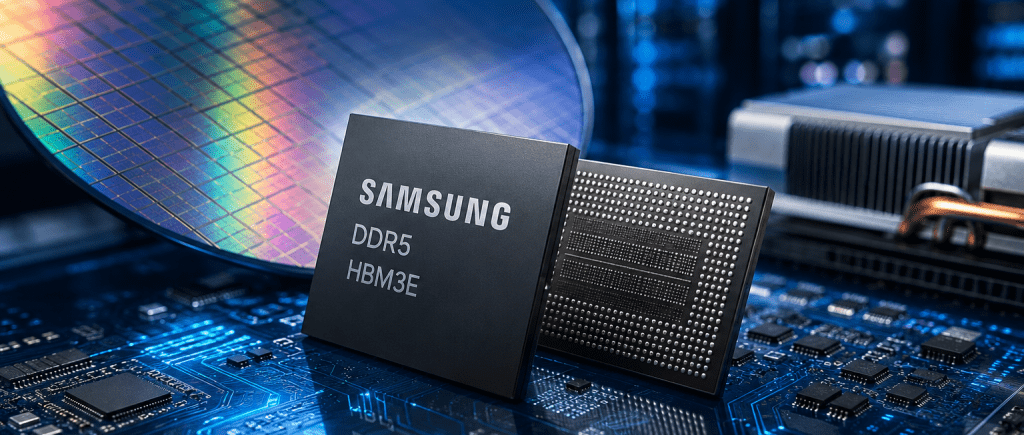
Samsung reported quarterly earnings that significantly exceeded market expectations, driven by surging demand for AI-related memory chips. The results highlighted the continued strength of the global AI investment cycle and reinforced the company’s position as one of the biggest beneficiaries of rising demand for advanced semiconductor technology.
However, despite the impressive earnings, Samsung’s share price failed to rally. Instead, investors reacted cautiously, suggesting that expectations for AI-related companies have become exceptionally high. Strong financial results alone may no longer be enough to impress markets if investors believe future growth could begin to slow.
AI Industry Faces a New Challenge Beyond Revenue Growth
The debate surrounding artificial intelligence is evolving. Earlier in the AI boom, investors focused primarily on rapid sales growth and expanding demand for advanced chips. Today, attention is shifting toward a more important question: can the enormous investments being poured into AI infrastructure generate sustainable long-term profits?
Technology companies continue to spend billions of dollars on data centers, advanced processors, and cloud infrastructure. While these investments are fueling industry growth, investors increasingly want evidence that this spending will produce meaningful financial returns rather than simply supporting an expensive race for technological leadership.
Microsoft Highlights Growing Focus on Cost Efficiency
The changing investor mindset became more evident after Microsoft announced thousands of job cuts while continuing to invest heavily in artificial intelligence.
The move raised fresh questions about whether major technology companies are beginning to balance aggressive AI spending with tighter cost management. Investors are becoming more selective, looking beyond ambitious AI strategies and focusing instead on how efficiently companies are turning those investments into profitable businesses.
As earnings season unfolds, markets are expected to scrutinize not only revenue growth but also spending discipline and long-term profitability.
Narrow Market Leadership Creates New Risks
Despite the broader stock market’s gains this year, much of the rally has been driven by a relatively small group of large technology and semiconductor companies.
This concentration has created impressive returns for investors holding AI-related stocks, but it also increases market vulnerability. If several of these leading companies disappoint during earnings season, the broader market could quickly lose momentum.
The upcoming Nasdaq debut of SK Hynix is expected to provide another important measure of investor appetite for AI-related semiconductor companies as demand for advanced memory technology continues to grow.
Oil Market Moves in the Opposite Direction
While technology stocks regained strength, oil prices continued to weaken.
Crude prices fell as concerns about supply disruptions eased and shipping activity through the Strait of Hormuz improved. Additional supply from major oil producers and expectations of stronger global production have reduced fears of shortages that had previously supported higher prices.
The contrast between the technology and energy sectors is becoming increasingly clear. Investors continue to pay premium valuations for companies expected to benefit from future AI growth, while oil markets are responding to improving supply conditions and a more balanced outlook.
Currency Markets Remain Focused on the Japanese Yen
Currency markets also remained closely watched as the US Dollar held firm against the Japanese Yen.
The widening gap between US and Japanese monetary policies continues to support the Dollar, although many investors remain cautious as the possibility of unexpected intervention by Japanese authorities cannot be ruled out if the Yen weakens further.
For now, markets appear comfortable maintaining positions that favor the Dollar, but the risk of sudden policy action remains an important factor.
Outlook: Earnings Season Will Test the AI Investment Story
The next few weeks could prove decisive for global markets.
Artificial intelligence remains one of the strongest investment themes in the world, supported by robust demand for advanced chips and cloud infrastructure. However, expectations have risen alongside valuations, leaving little room for disappointment.
This earnings season will likely determine whether technology companies can continue convincing investors that today’s massive AI investments will deliver tomorrow’s profits. Strong earnings may extend the rally, while weaker guidance or signs of slowing returns could trigger greater volatility across the technology sector.