Noor Trends News, Technical Analysis, Educational Tools and Recommendations

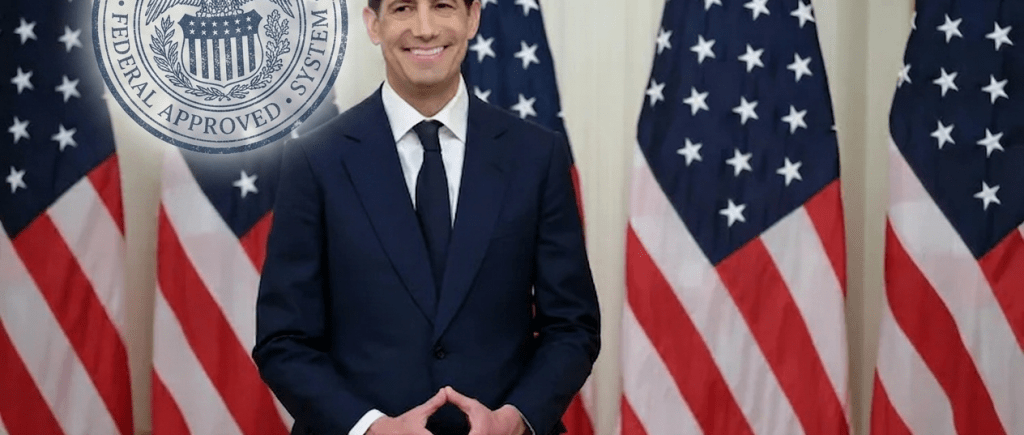
The Federal Reserve is set to enter a new chapter next week as it holds its first policy meeting under the leadership of incoming Chair Kevin Warsh. While markets largely anticipate that the central bank will keep interest rates steady, the debut of new management has created a sense of uncertainty regarding the Fed’s future direction and communication style.
A Period of “Wait-and-See”
Financial markets are signaling a high level of confidence that the Fed will maintain the current interest rate status quo during the upcoming meeting. With inflation concerns lingering—largely fueled by rising energy prices linked to the conflict in Iran—and a job market that remains resilient, officials have little room to maneuver. Keeping rates flat allows the committee to monitor incoming data before committing to any significant policy shifts.
The Warsh Doctrine: Potential for Change
The primary focus of this meeting is not just the rate decision, but the debut of Kevin Warsh as Chair. Warsh has previously indicated a desire to bring about a “regime change” at the central bank. Throughout his career, he has expressed skepticism toward the Fed’s traditional reliance on “forward guidance”—the practice of telegraphing future policy moves well in advance to prevent market surprises.
Many observers expect Warsh to favor a “less-is-more” approach to communication. This could manifest as a reduction in the detailed economic projections typically released by the committee or a shift in how the Fed frames its post-meeting statements. By moving away from rigid pre-announcements, the new leadership may be aiming to restore flexibility, allowing the Fed to pivot more quickly in response to economic volatility.
Balancing Mandates in a Complex Economy
Warsh takes the helm during a challenging economic period where the Fed must balance its core mandates of managing inflation and maintaining high employment. While he has previously advocated for lower rates, the current economic reality of persistent inflation may make aggressive rate cuts difficult to justify in the near term.
Beyond immediate policy, observers are looking for signals regarding his long-term agenda. Warsh has previously suggested structural changes, such as modifying how the central bank calculates inflation and reducing the overall size of the Fed’s balance sheet. This upcoming meeting will serve as the first major indicator of how he intends to lead the institution and whether he can establish the credibility needed to reshape the Fed’s approach to monetary policy in the years ahead.