Noor Trends News, Technical Analysis, Educational Tools and Recommendations

Key Takeaways
- Dollar at 6-week peak: The DXY rose 0.1% to 99.42, with the euro slipping 0.1% to $1.1595 and the pound flat at $1.3390.
- Well above pre-war levels: The greenback remains significantly elevated since the U.S.-Israel assault began in late February.
- Energy exporter shield: Investors view the U.S. as insulated from the energy shock, supporting safe-haven flows.
- Rate hike fears mount: Expectations that surging oil prices will force central banks — including the Fed — to hike rates.
- 30-year yields at crisis levels: The yield on U.S. 30-year Treasuries soared to levels not seen since the global financial crisis.
- ING’s warning: “Higher real U.S. yields are back to driving dollar strength.”
- Market patience thin: ING noted “market patience for any improvement in the Gulf situation was thin.”
- Trump’s optimism: The president told lawmakers the war could end “very quickly.”
- Vance echoes hope: The VP said Tehran wants to make a deal.
- Supertankers exit Hormuz: Two Chinese-flagged carriers and a South Korean VLCC were leaving the strait, per Reuters citing LSEG and Kpler data.
- Yen intervention risk: The firming dollar has pushed the yen back to levels that reportedly triggered official Japanese intervention in April.
- Bessent’s BOJ signal: The U.S. Treasury Secretary said BOJ Governor Ueda would “do what he needs to do” — suggesting Washington wants another rate hike.
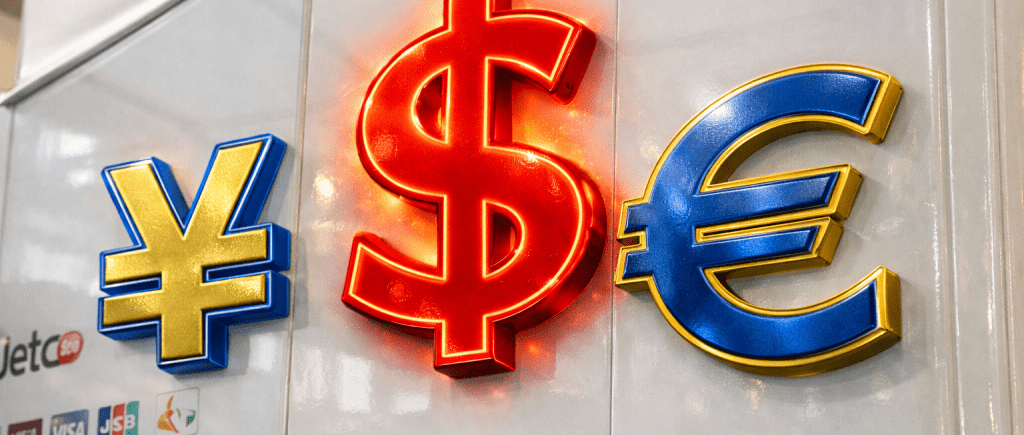
The U.S. dollar strengthened to a six-week high on Wednesday, as investors kept tabs on the possibility that central banks will need to raise interest rates in response to inflationary pressures stemming from the Iran war.
By 06:05 ET (10:05 GMT), the U.S. dollar index — which tracks the greenback against a basket of currency peers — had risen 0.1% to 99.42. The euro fell 0.1% to $1.1595, and the British pound was mostly unchanged at $1.3390.
The dollar remains well above levels seen before the start of the joint U.S. and Israeli assault on Iran in late February. Investors have turned to the currency as a relative safe haven throughout the conflict, attracted in part by the view that the U.S. economy — as a major energy exporter — may be insulated from a sharp surge in energy prices.
Rate Hike Fears Drive Yields to Crisis Levels
Expectations have grown that the rise in oil prices, in particular, will trigger a wave of inflation in countries around the world. The Federal Reserve is among a host of central banks seen potentially hiking interest rates to help rein in price gains.
Government bond yields have spiked in recent days as a result. Notably, the yield on the 30-year U.S. Treasury bond — widely viewed as a gauge of how traders see the economic outlook — soared to levels not seen since the global financial crisis almost two decades ago. Yields tend to move in the opposite direction to prices.
“Higher real U.S. yields are back to driving dollar strength. Yesterday, we sensed that market patience for any improvement in the Gulf situation was thin, and the latest headlines did not dent the bearish bond momentum,” analysts at ING said in a research note.
Trump and Vance Strike Optimistic Tone
U.S. President Donald Trump told lawmakers on Tuesday evening that the Iran war could end “very quickly.” He said earlier this week that he had postponed fresh planned attacks on Iran at the request of three Gulf countries.
Vice President JD Vance also struck an optimistic tone in separate comments, stating that Tehran wanted to make a deal.
Supertankers Exit Hormuz in Cautious Sign
Meanwhile, two Chinese-flagged supertankers carrying oil exited the Strait of Hormuz on Wednesday, Reuters reported, citing LSEG and Kpler shipping data. A South Korean-flagged Very Large Crude Carrier, Universal Winner, was also leaving the narrow waterway off Iran’s southern coast — which has been effectively closed to tanker traffic since the start of the U.S.-Israeli war on Iran in late February.
BOJ in Washington’s Sights
Elsewhere, the firming dollar has pushed the yen back to levels which reportedly sparked currency market intervention by Japanese officials in April.
Speaking to Reuters earlier this week, U.S. Treasury Secretary Scott Bessent said he believed Bank of Japan Governor Kazuo Ueda would do “what he needs to do” should he gain room to calibrate policy from Japan’s government. Reuters suggested this may be a sign Washington is keen to see another BOJ rate rise.