Noor Trends News, Technical Analysis, Educational Tools and Recommendations

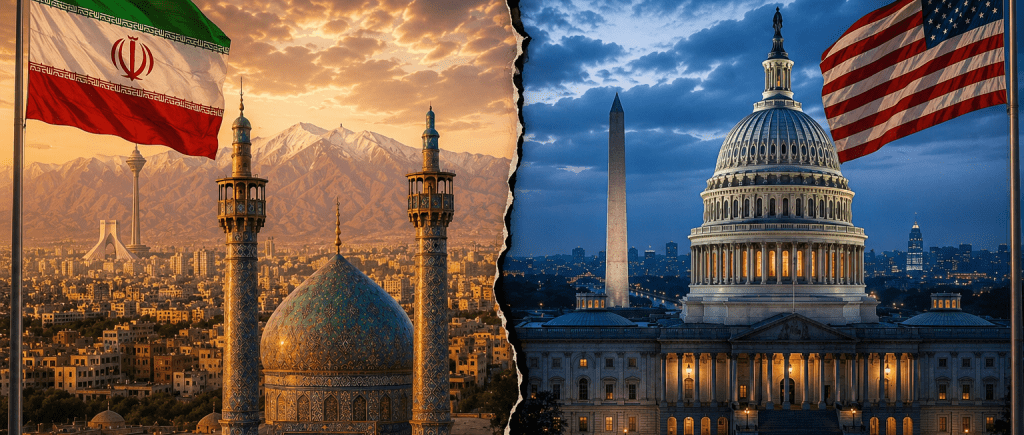
Global tensions between the United States and Iran escalated further as the fragile ceasefire was described by US President Donald Trump as being “on life support,” signaling growing risk that the current diplomatic framework could collapse. Trump sharply rejected Iran’s latest response to a US peace proposal, calling it unacceptable and arguing that Tehran failed to meet key American demands related to nuclear activity and regional security. He reaffirmed that Washington is still seeking what he described as a “total victory,” reinforcing doubts about the stability of the current truce.
Iranian Officials Defend Proposal Amid Stalled Talks
Iranian Foreign Ministry spokesperson Esmaeil Baghaei defended Tehran’s counterproposal, describing it as “reasonable and generous” and insisting it reflects Iran’s core demands. These include lifting sanctions, unfreezing Iranian assets abroad, ending maritime restrictions, and ensuring secure passage through key waterways.
Baghaei also emphasized that engagement with Washington does not mean surrender, warning that Iran will continue to defend its national rights if pressure increases. Iranian officials further reiterated that any agreement must take into account the concerns of Supreme Leader Ali Khamenei and Iran’s strategic interests.
Military and Regional Tensions Add to Fragile Environment
Regional instability continues to weigh on the crisis, with ongoing military developments near the Lebanon border. Israeli forces confirmed continued operations in the area, while Lebanese President Joseph Aoun and Prime Minister Najib Mikati called for stronger international pressure to reduce strikes and stabilize ceasefire conditions. Lebanese officials also stressed the need for external diplomatic involvement to prevent further escalation and protect fragile security arrangements along the border.
Humanitarian Warning Over Global Supply Chains
A senior United Nations official warned that disruption in critical maritime routes, including the Strait of Hormuz, could trigger a severe humanitarian crisis. He cautioned that shortages in essential agricultural inputs such as fertilizers could push tens of millions of people toward food insecurity if shipping flows are not restored quickly. The warning highlights how the geopolitical standoff is now extending beyond energy markets into global food security risks.
Oil Markets React to Escalation
Energy markets remain highly sensitive to developments. Oil prices surged again as traders reacted to fears of prolonged disruption in one of the world’s most important shipping corridors. Saudi Aramco Chief Executive Amin Nasser warned that global oil markets may not return to normal conditions before 2027, even if tensions ease in the near term. He described the conflict as one of the most significant shocks to global energy supply in recent history.
Markets Turn Defensive Across Asset Classes
Financial markets responded with increased caution. Oil volatility remained elevated, inflation expectations moved higher, and investors continued shifting toward safe-haven assets.
Equity markets showed mixed performance, with energy and defense stocks gaining while broader sentiment remained fragile. Currency and bond markets reflected growing concern over persistent inflation risks linked to rising energy costs.
A Standoff Without Clear Resolution
Despite ongoing diplomatic exchanges, the gap between Washington and Tehran remains wide. President Donald Trump continues to push a hardline stance, while Iranian Foreign Ministry spokesperson Esmaeil Baghaei and Foreign Minister Abbas Araghchi have both signaled openness to diplomacy but insist on safeguarding national sovereignty.
For now, the situation remains highly unstable, with markets and policymakers closely watching every statement from Washington and Tehran as the crisis continues to shape global economic and geopolitical risk.