Noor Trends News, Technical Analysis, Educational Tools and Recommendations

The U.S.-Japan trade deal, finalized in July 2025, has reshaped global economic dynamics, impacting Eurozone bond markets and European Central Bank (ECB) policy. By cutting U.S. tariffs on Japanese auto exports from 25% to 15% and securing Japan’s $550 billion investment in U.S. infrastructure, the deal has eased trade tensions, reducing demand for safe-haven Eurozone bonds. Germany’s 10-year bond yield rose to 2.62%, while Japanese yields climbed to 1.585%, reflecting capital shifts to higher-yield markets. This has tightened liquidity in peripheral Eurozone markets, compressing high-yield debt spreads.
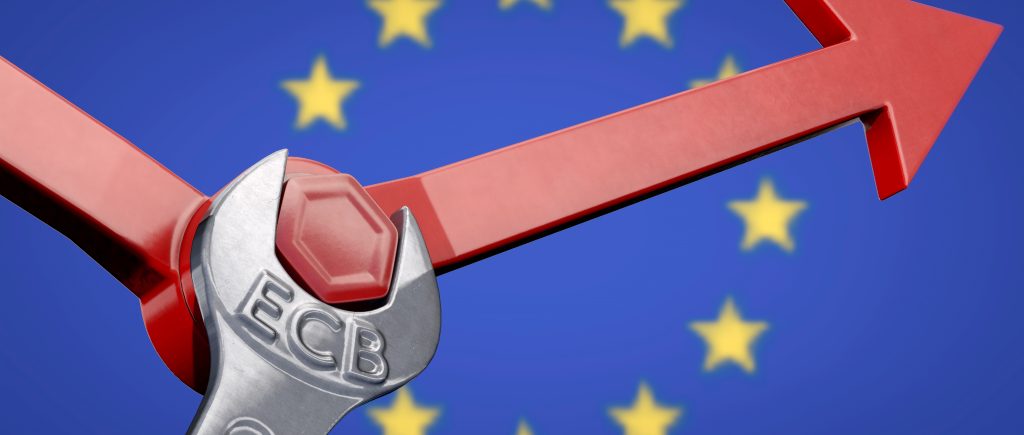
The ECB faces a delicate balance. The deal mitigates supply chain-driven inflation but risks fueling European inflation as capital flows to U.S. sectors. Markets anticipate a potential 25-basis-point ECB rate hike by year-end, though a narrowing German yield curve signals slower growth. Investors should consider shortening bond durations, hedging euro depreciation, and targeting green energy and digital infrastructure sectors. The deal redefines global capital flows, urging investors to adapt fixed income strategies for a dynamic trade and monetary policy landscape.