Noor Trends News, Technical Analysis, Educational Tools and Recommendations

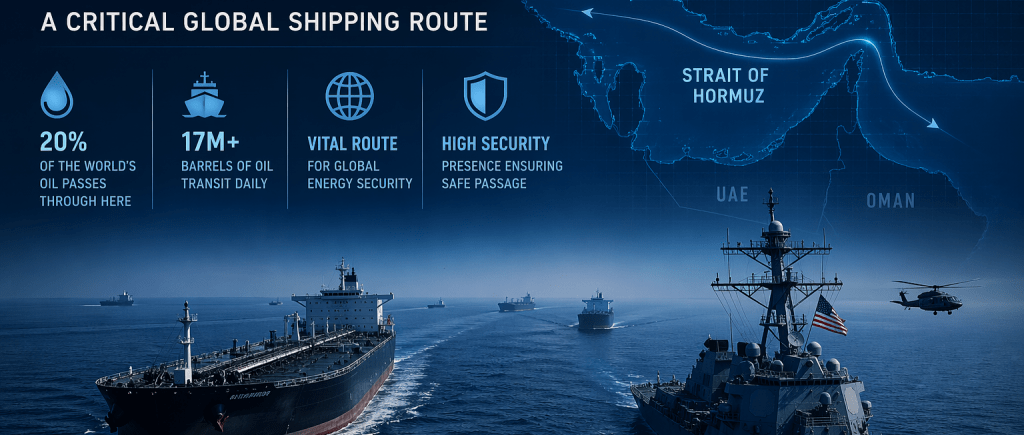
Hormuz
Energy Markets Learn a Hard Lesson: The World Can No Longer Depend on a Single Chokepoint
The recent conflict involving Iran delivered a powerful warning to global energy markets: relying too heavily on a single trade route can create major risks for the world economy.
When shipping through the Strait of Hormuz was disrupted during the conflict, fears quickly spread that oil prices would spiral out of control and trigger a global economic shock. Yet despite the disruption, markets proved more resilient than many had expected.
Countries tapped strategic oil reserves, producers redirected supplies through alternative routes, and energy consumers accelerated efforts to reduce dependence on fossil fuels where possible. These measures helped prevent the severe shortages and extreme price spikes that many had feared.
One of the most important developments was the increased use of pipelines to transport oil, reducing reliance on tankers moving through the narrow waterway. The experience has encouraged governments and energy companies to consider expanding storage capacity and investing in alternative transportation networks to strengthen future energy security.
The crisis also highlighted the importance of preparation. Nations with large emergency reserves were better positioned to absorb supply disruptions, while energy producers demonstrated a greater ability to adapt than in previous crises.
However, the lessons from the conflict do not mean the Strait of Hormuz has lost its strategic importance. The route remains one of the world’s most critical energy corridors, particularly for oil and natural gas exports from the Gulf region. Any future disruption could still have significant consequences for global markets.
What has changed is the perception that the global economy has no alternatives. The recent conflict showed that while disruptions can be costly, countries and companies now possess more tools to manage energy shocks than they did in the past.
As governments reassess energy security strategies, the focus is increasingly shifting toward diversification, stronger supply chains, larger reserves, and infrastructure investments designed to reduce vulnerability to future geopolitical crises.