Noor Trends News, Technical Analysis, Educational Tools and Recommendations

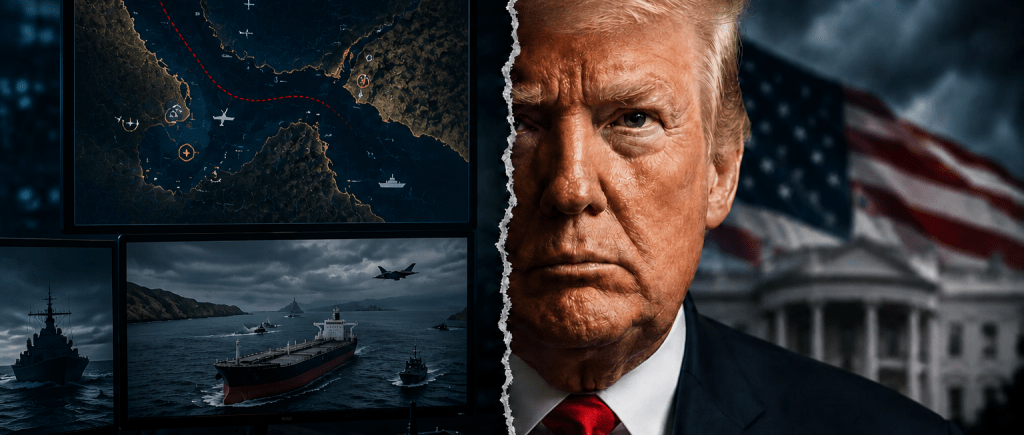
US-Iran Tensions Deepen Despite Diplomatic Signals
Geopolitical tensions between the United States and Iran dominated global market sentiment during Monday’s North American trading session, as investors weighed the risk of renewed escalation against fresh diplomatic signals coming from Tehran.
Markets turned increasingly cautious after US President Donald Trump sharply rejected Iran’s latest counterproposal aimed at ending the conflict that has shaken the Middle East since late February. In comments posted on social media, Trump described Tehran’s response as “totally unacceptable,” accusing Iran of stalling negotiations and refusing to meet core American demands related to its nuclear program and enriched uranium stockpiles.
The rejection immediately intensified fears that diplomatic efforts could collapse, reviving concerns over military escalation and renewed instability across global energy markets.
At the same time, Iranian President Masoud Pezeshkian attempted to present a more diplomatic tone, stressing that Tehran remains open to negotiations with Washington and is willing to respect any agreement that protects Iran’s national interests. Speaking during a meeting with senior police commanders, Pezeshkian said Iran must “complete the victory achieved on the battlefield through diplomacy,” signaling support for a negotiated solution rather than prolonged confrontation.
The Iranian president outlined three possible paths facing the country: entering negotiations while preserving national dignity and strategic interests, remaining trapped in a “no war, no peace” environment, or continuing a dual track of confrontation and diplomacy. He described diplomacy as the preferred option, while also warning that Iran must remain cautious and vigilant in dealing with its adversaries.
Pezeshkian further insisted that negotiations with the United States should not be viewed as surrender or retreat, but rather as an effort to defend Iran’s rights and safeguard national interests. Iranian officials also defended Tehran’s latest proposal as “reasonable” and “generous,” arguing that it included demands Tehran has repeatedly raised in recent weeks, including sanctions relief, the release of frozen assets, and guarantees tied to regional maritime security.
Despite the diplomatic messaging, tensions remain elevated. Iranian officials continued to stress the country’s strategic leverage in the Strait of Hormuz, one of the world’s most critical oil transit routes, while warning that Tehran would not yield under pressure. The exchange of increasingly firm statements from both sides has raised fresh concerns over the fragility of the current ceasefire and the possibility of renewed confrontation.
Oil prices surged sharply during the session as traders reacted to fears of potential supply disruptions. Brent crude climbed strongly amid concerns that instability around the Strait of Hormuz could threaten a significant portion of global energy exports. Rising oil prices also fueled inflation concerns at a time when central banks are already navigating a difficult economic environment.
Wall Street traded cautiously throughout the day. Energy and defense stocks posted gains, benefiting from higher commodity prices and geopolitical uncertainty, while broader market sentiment remained fragile. Investors continued to monitor whether the crisis could trigger a wider move away from risk assets.
Safe-haven demand also strengthened. The US dollar advanced, gold prices moved higher, and bond markets reflected renewed concerns over inflation and global supply chain pressures linked to rising energy costs.
Beyond the United States, global markets also felt the impact. European and Asian investors closely monitored developments as higher oil prices threatened growth prospects and corporate profitability. Analysts warned that any further escalation could deepen volatility across commodities, currencies, and international trade routes.
For now, the standoff between Washington and Tehran remains the central driver of market direction, with every political statement and diplomatic signal capable of rapidly shifting sentiment across global financial markets.