Noor Trends News, Technical Analysis, Educational Tools and Recommendations

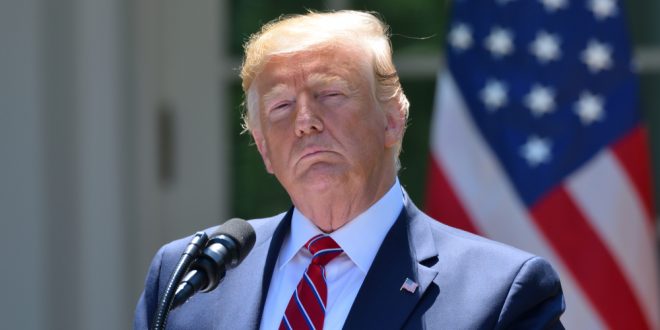
U.S. President Donald Trump indicated that negotiations with Iran are advancing, raising the possibility of a near-term agreement even as tensions in the Middle East remain elevated.
Speaking to reporters aboard Air Force One, Trump said discussions were going “extremely well” and suggested that a deal with Tehran could be close. However, he stopped short of providing a clear timeline, emphasizing that while progress is being made, an agreement is not guaranteed.
“ I think we’ll make a deal with them, but it’s possible we won’t,” Trump said, adding that he does see a deal materializing in the near future.
Conflicting Signals from Tehran
Despite Trump’s optimistic tone, Iranian officials have continued to deny that direct negotiations with Washington are taking place. Tehran has maintained that any talks would require a cessation of hostilities, highlighting a clear divergence in messaging between the two sides.
This disconnect has added to uncertainty in global markets, as investors struggle to assess whether diplomatic progress is genuine or remains largely aspirational.
Energy Flows and Strategic Concessions
Trump also claimed that Iran had allowed approximately 20 oil tankers to pass through the Strait of Hormuz as a form of concession. Reports suggested that several Pakistani-flagged vessels were among those permitted to transit the critical waterway.
The Strait of Hormuz is a key global chokepoint, responsible for roughly one-fifth of the world’s oil shipments. Any easing of restrictions in the area could have significant implications for global energy markets, particularly after weeks of disruption.
Military Posturing and Escalation Risks
Trump declined to clarify whether the United States would deploy ground forces in Iran, but stated that Washington had made substantial military progress, claiming that Iran’s air force, navy, and missile capabilities had been significantly weakened.
Meanwhile, tensions on the ground remain high. Over the weekend, Yemen’s Iran-backed Houthi group launched attacks on Israel, raising concerns about the opening of a new front in the conflict. At the same time, Iran and Israel continued to exchange strikes, while reports indicated that the United States was increasing troop deployments in the region.
Market Implications
The combination of diplomatic optimism and ongoing military escalation continues to create a complex backdrop for financial markets. While Trump’s comments may offer some support to risk sentiment, the lack of confirmation from Iran and continued hostilities suggest that uncertainty will remain a dominant theme.
Investors are likely to remain highly sensitive to further developments, with both geopolitical headlines and energy market dynamics playing a critical role in shaping near-term market direction.