Noor Trends News, Technical Analysis, Educational Tools and Recommendations

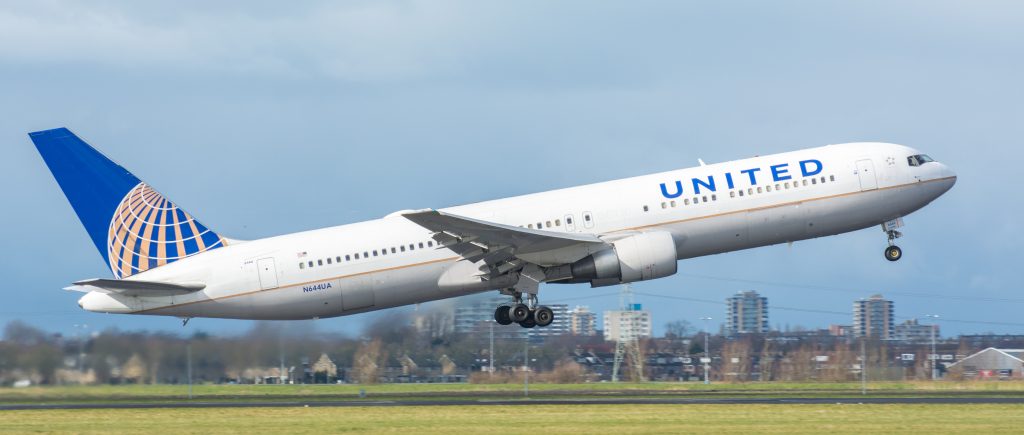
United Airlines shares moved lower in premarket trading on Monday after the company announced further reductions to unprofitable routes, as it prepares for a prolonged period of elevated fuel costs linked to the ongoing Iran conflict.
By 05:59 ET, the stock was down 1.7% ahead of the opening bell.
Fuel shock forces strategic cuts
In a memo to staff on Friday, CEO Scott Kirby outlined a cautious outlook, warning that oil prices could rise as high as $175 per barrel and remain above $100 through 2027.
At those levels, United’s annual fuel expenses could increase by approximately $11 billion, more than double the profit generated during its strongest year on record.
The surge in oil prices—driven by escalating tensions in the Middle East—has caused jet fuel costs to nearly double since late February, placing significant pressure on airline margins.
Capacity reductions target weaker demand
To offset rising costs, United is expanding its capacity cuts:
- A 3 percentage point reduction in off-peak flying during the second and third quarters
- Cuts focused on midweek, Saturday, and overnight flights with weaker demand
- A 1 percentage point reduction in capacity at its Chicago O’Hare hub
- Continued suspension of routes to Tel Aviv and Dubai
Overall, the airline is trimming planned capacity by about 5 percentage points for the year.
Industry faces cost pressures, but demand holds
The broader airline industry is grappling with a renewed fuel shock, as higher oil prices ripple through operating costs and force route adjustments due to airspace disruptions.
Despite this, carriers have so far managed to:
- Raise ticket prices
- Maintain relatively steady travel demand
- Offset some cost pressures through reduced capacity
Profitability over expansion
Kirby emphasized that United is prioritizing profitability over maintaining full schedules, stating the airline would rather leave some demand unmet than operate flights at a loss under current fuel conditions.
Still, the company expects to restore its full schedule by the fall, assuming market conditions stabilize.
Outlook
United’s latest move highlights how deeply the aviation sector is exposed to energy market volatility. If oil prices remain elevated, further capacity adjustments across the industry are likely, with profitability and cost control taking precedence over growth.