Noor Trends News, Technical Analysis, Educational Tools and Recommendations

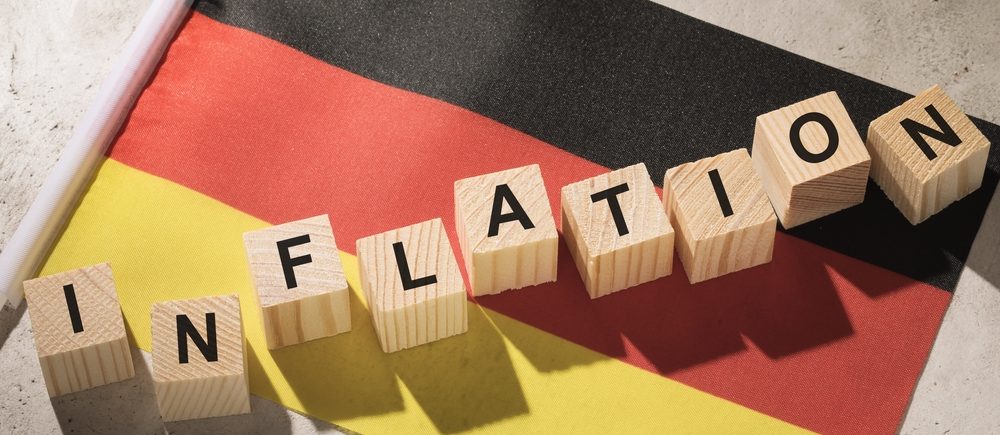
Germany inflation
Germany’s Inflation Cools to 1.9% in February, Easing Pressure on the Euro
Germany’s annual inflation slowed to 1.9% in February, down from 2.1% in January, signaling a modest easing in consumer price growth. The softer-than-expected rise comes as the cost of living pressures show signs of stabilizing after months of elevated price gains.
On a monthly basis, consumer prices in Germany rose by 0.2%, following a 0.1% increase in January. Meanwhile, the broader European measure of inflation, the Harmonized Index of Consumer Prices, rose by 0.4% for the month and stood at 2% year-on-year, slightly below expectations.
Despite the decline in inflation, the EUR/USD exchange rate remained largely unchanged, trading around 1.1800, as investors weighed other economic and geopolitical factors.
Analysts note that slowing inflation provides breathing room for policymakers and could influence future central bank decisions, though uncertainties remain amid ongoing global economic developments.
The cooling inflation trend may also impact consumer behavior, investment strategies, and financial markets across Europe, offering a brief respite from the persistent cost pressures that have shaped economic decisions over the past year.
Overall, Germany’s February inflation data reflects a gradual deceleration in price growth, suggesting that the peak pressures on households may be moderating, even as markets remain cautious in the face of broader economic challenges.