 Noor Trends News, Technical Analysis, Educational Tools and Recommendations

Oil prices reversed downward momentum Wednesday as the U.S. military’s full implementation of an Iranian naval blockade reignited supply disruption anxieties, offsetting market optimism about potential diplomatic breakthroughs.
Brent crude futures advanced 0.4% to $95.18 per barrel, while West Texas Intermediate gained 0.2% to $88.36 per barrel by 22:43 ET. The modest gains came after the week’s steep declines, driven largely by market expectations of an Iran conflict resolution.
Blockade Fully Operational, Hormuz Risk Elevated
U.S. Central Command announced completion of its Iranian port blockade, declaring that American forces had “completely halted economic trade going into and out of Iran by sea.” The escalation, deployed just 48 hours after initial implementation, intensifies pressure on Tehran while amplifying geopolitical risks.
The blockade threatens to deepen shipping disruptions through the Strait of Hormuz—a critical artery handling approximately 20% of global crude consumption. With several Asia-Pacific nations heavily reliant on the waterway, any Iranian retaliation could trigger severe supply constraints.
Iranian officials previously closed Hormuz in response to U.S.-Israeli military operations commencing in late-February, which analysts estimate severed at least 10 million barrels daily from global supplies. ANZ Research noted that oil markets require no “worst-case escalation scenario” to sustain elevated prices given existing supply tightness.
Trump Signals Imminent Peace Talks Despite Blockade Hardening
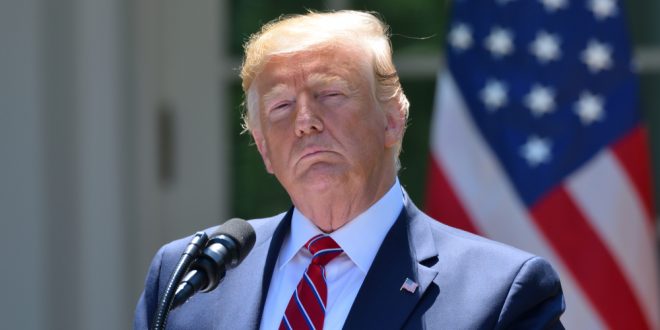
U.S. President Donald Trump told the New York Post that fresh ceasefire negotiations could commence within two days in Islamabad. In a separate Fox Business interview, Trump characterized the Iran conflict as “very close to over,” though he has repeatedly overstated military victories and reversed course on aggressive actions.
A tenuous ceasefire remains intact with no reported strikes since late last week. Washington appears racing to conclude peace talks before the agreement expires next week.
Regional De-escalation Gains Momentum
Parallel negotiations between Israel and Lebanon in Washington provided additional optimism. Iran had insisted on Lebanon’s inclusion in any comprehensive ceasefire arrangement, making the direct talks a significant diplomatic development.
The convergence of hardening military measures and diplomatic acceleration creates competing market narratives as traders weigh blockade risks against peace deal probabilities.