Noor Trends News, Technical Analysis, Educational Tools and Recommendations

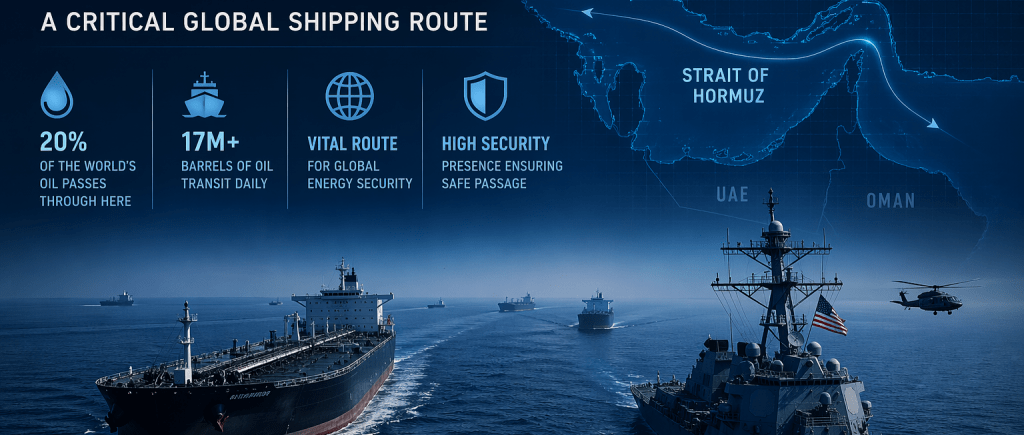
Key Takeaways
- Strategic shift: Trump has directed aides to prepare for a prolonged blockade of Iran, opting for sustained economic pressure over renewed military strikes or rushed diplomacy.
- Calculated bet: The administration views a long blockade as less risky than either resuming large-scale bombing or pursuing a rapid diplomatic exit, according to the WSJ.
- Iran offer rejected: Trump turned down a three-step Iranian proposal that would have reopened Hormuz early while deferring nuclear talks, deeming it inadequate.
- Hard nuclear line: The president refuses to drop demands that Iran suspend uranium enrichment for at least 20 years and accept restrictions beyond that period.
- “No-deal, no-war” phase: Officials warn the conflict could settle into an extended standoff as diplomacy remains frozen.
- Oil surges: Brent crude jumped 2.9% to $114.46 per barrel, while WTI climbed 2.9% to $102.79 — both well above pre-war levels.
U.S. President Donald Trump has directed his aides to prepare for an extended blockade of Iran, signaling a decisive pivot toward sustained economic pressure as Washington weighs its next moves in the ongoing conflict, according to a Wall Street Journal report.
Citing U.S. officials, the report revealed that Trump has chosen to intensify efforts to strangle Iran’s oil exports and restrict shipping flows in and out of its ports — viewing a blockade as less perilous than either resuming sweeping military strikes or pursuing a hasty diplomatic exit.
The decision comes on the heels of an April ceasefire that brought a halt to a major bombing campaign but left regional tensions running high.
According to the Journal, Trump recently rejected a three-step Iranian proposal that would have seen the Strait of Hormuz reopened early while pushing nuclear negotiations to a later phase. The president deemed the offer insufficient for addressing American demands regarding constraints on Tehran’s nuclear program.
Trump is unwilling to back down from a central demand that Iran commit to suspending uranium enrichment for a minimum of 20 years and accept additional restrictions beyond that timeframe, the report added.
While the blockade is designed to inflict significant damage on Iran’s economy, it also raises the specter of a drawn-out impasse, with officials cautioning that the conflict could settle into a “no-deal, no-war” phase as diplomatic channels remain stalled, according to the report.
Oil Markets Roar Higher
Crude prices, which have rocketed well above pre-war levels due to the weeks-long closure of the Strait of Hormuz, pushed even higher on Wednesday. Brent crude futures, the global benchmark, were last 2.9% higher at $114.46 per barrel, while U.S. West Texas Intermediate crude futures rose 2.9% to $102.79 per barrel.