Noor Trends News, Technical Analysis, Educational Tools and Recommendations

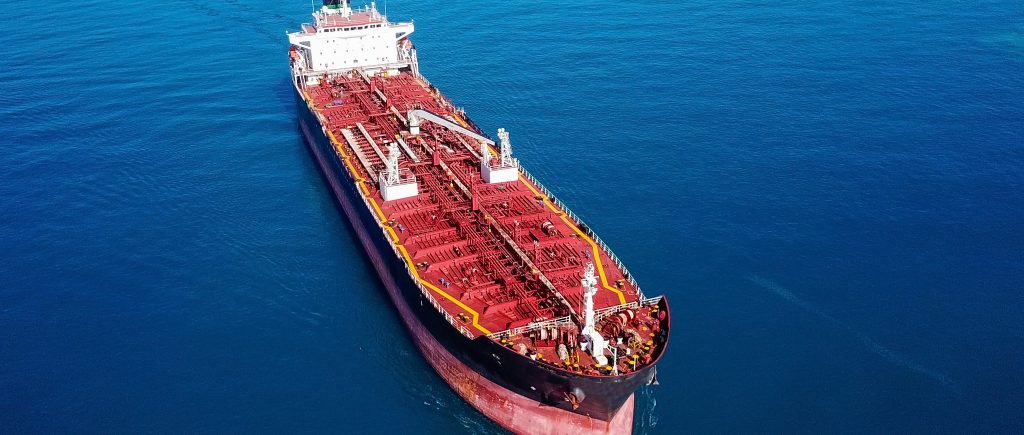
Global oil markets are approaching a critical tipping point, with prices climbing toward the psychologically significant $100-per-barrel mark. The primary driver behind this surge is the ongoing disruption in tanker traffic through the Strait of Hormuz, one of the world’s most vital energy chokepoints. Despite a temporary easing in tensions, the flow of oil remains far below normal levels, with only a limited number of tankers navigating the passage each day. This bottleneck has injected fresh uncertainty into global energy markets and raised concerns about tighter supply in the days ahead.
Prices Surge: Markets React to Growing Risk
Crude benchmarks have responded swiftly to the constrained supply outlook. Brent crude has surged toward the $100 threshold, while U.S. crude prices have also posted strong gains. The rally reflects a growing risk premium as traders factor in the likelihood of prolonged disruption. The market’s reaction highlights how sensitive oil prices remain to geopolitical developments, particularly when they involve critical routes like Hormuz, through which a significant share of global oil exports flows.
Military Standoff: Rising Tensions in the Gulf
The situation is further complicated by a growing military standoff in the region. Naval forces continue to enforce restrictions near key coastal areas, while Iran has signaled it could respond to any perceived threats against its interests in the Gulf. This fragile environment has effectively turned the Strait into a high-risk zone, where even minor incidents could trigger major disruptions. As a result, markets are increasingly pricing in the possibility of further escalation.
Fragile Diplomacy: Talks Without a Clear Timeline
Efforts to revive diplomatic negotiations remain uncertain. While there are indications that a new round of talks could take place soon, no official timeline has been confirmed. This lack of clarity is adding to market anxiety. Compounding the uncertainty, the current ceasefire arrangement is set to expire within days. Without a breakthrough, the risk of renewed escalation rises sharply, potentially worsening supply constraints and pushing prices even higher. At the same time, expectations for a comprehensive agreement in the near term remain low, suggesting that markets will continue reacting to headlines rather than fundamentals alone.
Market Snapshot: Prices Near a Critical Threshold
The latest market data reinforces this tense outlook. Brent crude is now trading around $98 per barrel, marking a strong daily gain of more than 3% compared to the previous close near $95. During the session, prices moved within a wide range and briefly approached the $100 level, underscoring the strength of current momentum. This type of movement suggests that markets are no longer just reacting but actively anticipating continued disruption.
Countdown to Uncertainty: Will Oil Break $100?
As the ceasefire deadline approaches, the oil market is entering a decisive phase. The coming days will likely determine whether diplomacy can ease tensions or whether the crisis will deepen further. For now, the balance remains fragile, with limited supply flows, rising geopolitical risks, and uncertain negotiations. Under these conditions, oil prices may not need much additional pressure to break decisively above the $100 mark, potentially opening the door to a new phase of heightened volatility.