Noor Trends News, Technical Analysis, Educational Tools and Recommendations

Rising geopolitical tension in the Strait of Hormuz is rapidly evolving into a major economic risk. With naval enforcement tightening and energy shipments increasingly disrupted, global markets are bracing for prolonged uncertainty. The standoff is not just a regional conflict—it is a pressure point for the entire global economy, given the critical volume of oil that passes through this narrow corridor each day.
Oil Shock Threatens to Reignite Global Inflation
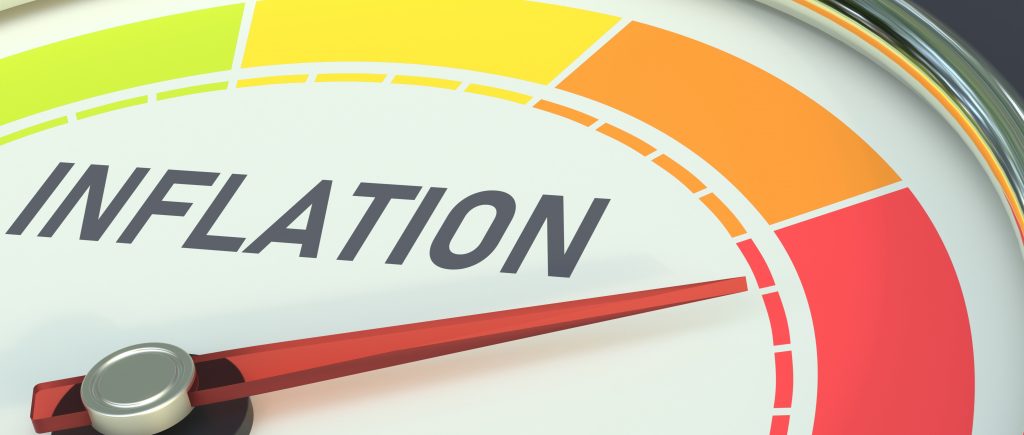
As supply constraints intensify, crude oil prices are climbing sharply, raising concerns about a renewed wave of inflation. Higher energy costs are already feeding into transportation, manufacturing, and agricultural inputs, amplifying price pressures across multiple sectors.
If disruptions persist, oil prices could surge well beyond current expectations, potentially pushing inflation higher in the coming months. Secondary effects—particularly rising fuel and fertilizer costs—may further deepen the impact, making inflation more persistent and harder to control globally.
A Costly Waiting Game for Washington
At the heart of the situation lies a strategic gamble by Donald Trump, aimed at restricting Iran’s energy revenues. However, this approach may take longer to yield results than markets can tolerate.
The longer the standoff continues, the greater the economic strain—both domestically and internationally. Inflationary pressures could begin to weigh on political and economic stability, especially if energy prices continue their upward trajectory.
Central Banks Diverge as Pressure Builds
The inflation outlook is now forcing central banks into difficult decisions. Policymakers in Europe and the UK may be quicker to respond with tightening measures, while the Federal Reserve could take a more cautious stance.
This divergence in policy responses has important implications for currency markets. A slower reaction from US policymakers, combined with persistent inflation risks, could undermine the relative strength of the US Dollar, particularly if other economies act more decisively.
Markets on Edge as Uncertainty Deepens
Financial markets are increasingly sensitive to headlines surrounding the crisis. Volatility is likely to remain elevated as investors weigh the risks of prolonged disruption against the possibility of diplomatic progress.
For now, the trajectory of oil prices—and by extension inflation and currency movements—will depend heavily on how long the Hormuz standoff persists. Until clarity emerges, markets are likely to remain cautious, with the US Dollar caught between inflation fears and shifting global policy dynamics.