Noor Trends News, Technical Analysis, Educational Tools and Recommendations

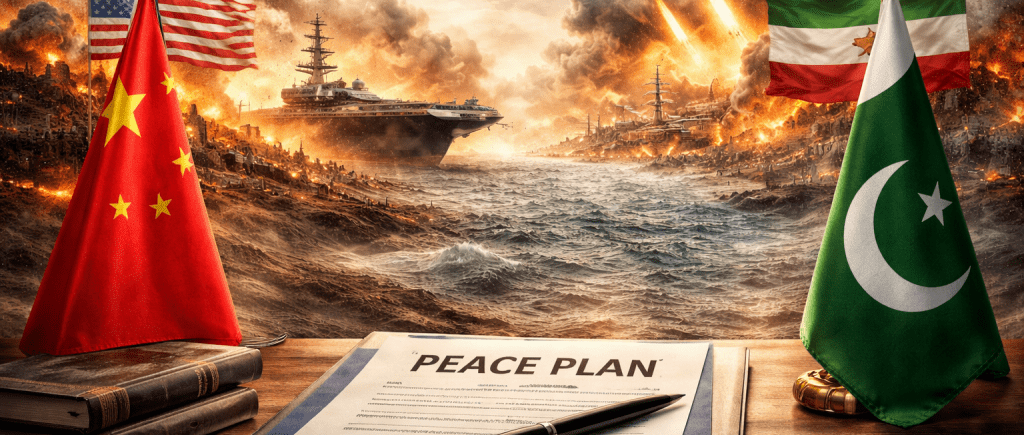
Global markets are rapidly adjusting after the reopening of the Strait of Hormuz, a critical artery for global energy flows. The return of normal shipping activity has eased fears of prolonged supply disruptions, triggering a sharp unwind of the war-driven trade that had dominated investor sentiment. As flows normalize, markets are repricing oil, currencies, and equities, with expectations for inflation and growth shifting quickly.
Oil Leads the Repricing
Oil prices have taken the lead in this market reset. After climbing on geopolitical concerns, crude has fallen by around 10 percent, moving back toward the $80 per barrel level. This drop reflects the rapid removal of the risk premium that had been priced in during the period of heightened tension around the Strait of Hormuz.
Lower energy prices are already easing cost pressures across global economies, particularly in countries heavily reliant on imports. With fuel costs declining, inflation expectations are softening, providing relief for both consumers and policymakers. This shift is also improving the outlook for growth-sensitive sectors such as transport and manufacturing.
Dollar Weakens as Risk Appetite Returns
Currency markets are also reflecting the change in sentiment. The U.S. dollar, which had strengthened during the peak of geopolitical uncertainty, is now losing ground as demand for safe-haven assets fades. Investors are rotating capital into higher-yielding and riskier assets, signaling renewed confidence in the global outlook.
This movement suggests that markets are stepping away from defensive positioning and beginning to price in a more stable environment. However, the durability of this trend will depend on continued stability in and around the Strait of Hormuz.
Equities Gain Momentum
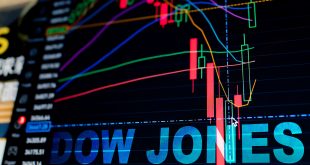
Equity markets are benefiting from the improved backdrop. Lower oil prices and easing geopolitical tensions are supporting a more constructive environment for stocks. Investors are increasingly betting on stronger economic activity, particularly in regions that were most exposed to elevated energy costs.
The rebound in equities highlights how quickly sentiment can shift once a major source of uncertainty is removed. The transition from risk-off to risk-on has been swift, reflecting the importance of the Strait of Hormuz in shaping global market dynamics.
Why Hormuz Matters
The Strait of Hormuz is one of the most important trade routes in the world, handling a significant share of global energy shipments. Any disruption to this corridor can have immediate and far-reaching effects on prices, inflation, and overall market sentiment. Its reopening not only restores physical supply but also removes a key psychological barrier that had been weighing on investors.
Risks Still Linger
Despite the current wave of optimism, risks remain. Markets may be moving too quickly in pricing a full resolution of geopolitical tensions. Any renewed disruptions or escalation around the Strait of Hormuz could reverse the current trend just as quickly.
For now, the message is clear: with the Strait of Hormuz back in operation, the war trade is unwinding, and global markets are entering a phase of cautious optimism.