Noor Trends News, Technical Analysis, Educational Tools and Recommendations

The Middle East stands at a critical crossroads as the United States and Iran engage in a high-stakes game of diplomatic “chicken.” Following weeks of intensified conflict and a crippling naval blockade, reports suggest the two nations are inching toward a potential memorandum of understanding. However, the path to peace remains obstructed by military posturing and skepticism from both sides.
A Delicate Dance of Diplomacy
Signs of a breakthrough emerged as global oil prices dipped and stock markets rallied on news that a preliminary framework to end the war might be within reach. International mediators have been working tirelessly to bridge the gap between Washington and Tehran, presenting a multi-point plan aimed at de-escalation.
The Iranian foreign ministry confirmed it is “considering” the proposal, though spokespeople emphasize that any agreement must be built on “good faith” rather than coercion. Meanwhile, some Iranian officials have dismissed the current draft as an American “wish-list,” signaling that significant hurdles remain before a pen hits the paper.
Tensions in the Strait
The diplomatic thaw comes at a moment of extreme friction in the Gulf of Oman. The U.S. military recently disabled an Iranian-flagged tanker, alleging it attempted to bypass the ongoing blockade. This incident highlights the fragility of the current situation:
Project Freedom Paused:
A U.S. operation designed to escort stranded merchant ships through the Strait of Hormuz has been put on hold.
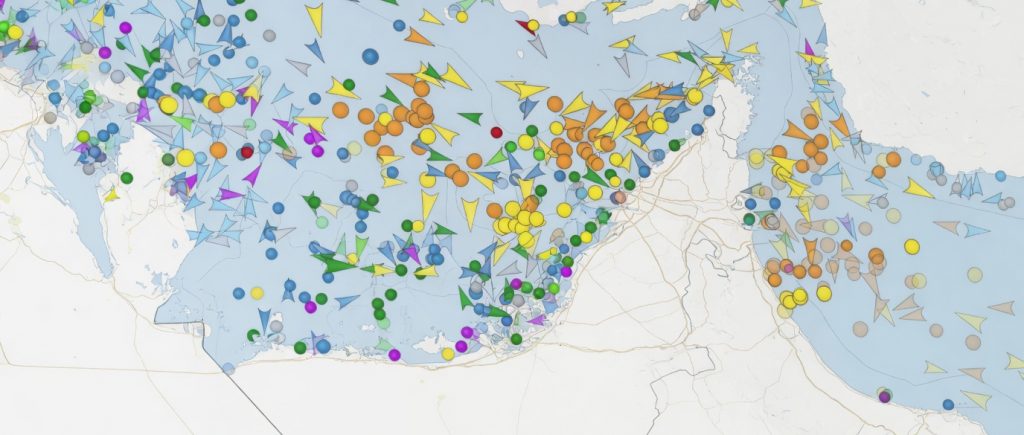
The Shipping Crisis: Estimates suggest upwards of 1,000 vessels and 20,000 seafarers remain trapped in the region, caught in the geopolitical crossfire.
Leadership in Washington has signaled that while the blockade could be lifted to allow free passage for all, military strikes will resume with “higher intensity” if a deal is not finalized.
The Second Front: Beirut Under Fire
While the world watches the Persian Gulf, a second front remains volatile. Israel has launched fresh airstrikes on Beirut, specifically targeting senior commanders of the Radwan Force. These strikes follow a series of cross-border skirmishes that have left soldiers and civilians injured on both sides. This escalation adds another layer of complexity to regional stability, as the shadow of a wider conflict looms over Lebanon.
The Human and Economic Toll
Beyond the military maneuvers, the cost of the standoff is becoming unbearable. In Iran, the economy is under immense strain; factories have faced closures, and digital commerce has been severely restricted. Domestic pressure is also mounting in the U.S., where rising fuel prices have fueled public dissatisfaction.
As mediators push for a 30-day window to negotiate technical details—including nuclear concerns and sanctions relief—the world waits to see if this “one-page” framework can truly end a war, or if it is simply a brief pause before a much larger storm. Both nations are publicly projecting strength while privately seeking an exit. The next few days will determine if the “long arm” of diplomacy is stronger than the finger on the trigger. Is the promise of a “cleared lane” in the Strait enough to bring both sides to the table permanently?