Noor Trends News, Technical Analysis, Educational Tools and Recommendations

Key Takeaways
- Khamenei’s red line: Iran’s Supreme Leader issued a directive barring the country’s near-weapons-grade uranium from being shipped abroad, per Reuters.
- Trump’s counter-demand: The president reiterated the U.S. will seize Iran’s uranium holdings as a core condition of any deal.
- Nuclear weapons red line: Trump insists Iran cannot be allowed to acquire a nuclear weapon — the primary stated objective of the war.
- Iran’s peaceful claim: Tehran maintains its uranium is for peaceful purposes only.
- “Final stages” optimism: Trump said the U.S. is in the final stages of a potential draft peace agreement.
- Nasty warning: The president threatened “things that are a little bit nasty” if no deal is reached.
- Fragile ceasefire holds: But diplomatic efforts to resolve the impasse have so far proven unsuccessful.
- Iran ready to retaliate: Tehran said it is reviewing Washington’s latest position but stands ready to respond to any strikes.
- “A few days” patience: Trump said he’s willing to wait briefly before potentially taking further action.
- Hormuz toll plan: Iran is reportedly preparing to charge transit fees through the strait — a proposal Washington has rebuffed.
- Hormuz still choked: Shipping traffic remains a fraction of pre-war levels.
Iranian Supreme Leader Ayatollah Mojtaba Khamenei has issued a directive that the country’s almost weapons-grade uranium should not be shipped abroad, Reuters reported, citing two senior Iranian sources.
The report came as U.S. President Donald Trump reiterated his stance that the United States will seize Iran’s uranium holdings. Trump has set stopping Iran’s nuclear activities as the main objective of his war against the country, insisting that Tehran cannot be allowed to acquire a nuclear weapon.
Iran, on the other hand, has repeatedly claimed that its uranium will only be used for peaceful purposes. Disagreements over the uranium remained a key sticking point in peace negotiations between Washington and Tehran.
Ceasefire Holds, But Diplomacy Stalls
While a fragile ceasefire between the two sides remained in place, efforts aimed at resolving the impasse have so far proved unsuccessful.
Trump said the U.S. was in the “final stages” of a potential draft peace agreement, although he raised the specter of re-escalation, warning that “we’re going to do some things that are a little bit nasty” should a deal not be reached.
Iran, for its part, said it is reviewing Washington’s most recent position on concluding the conflict, but is ready to respond to more strikes with its own crushing barrage.
Earlier this week, Trump said he had postponed a proposed military operation against Iran, and that negotiations with the country were going well.
Trump also signaled that he was willing to wait a “few days” for a deal, but warned of more military action if a peace agreement was not achieved. The U.S. president said the Iran war was in its “final stages.”
Hormuz and Tolls Add Complexity
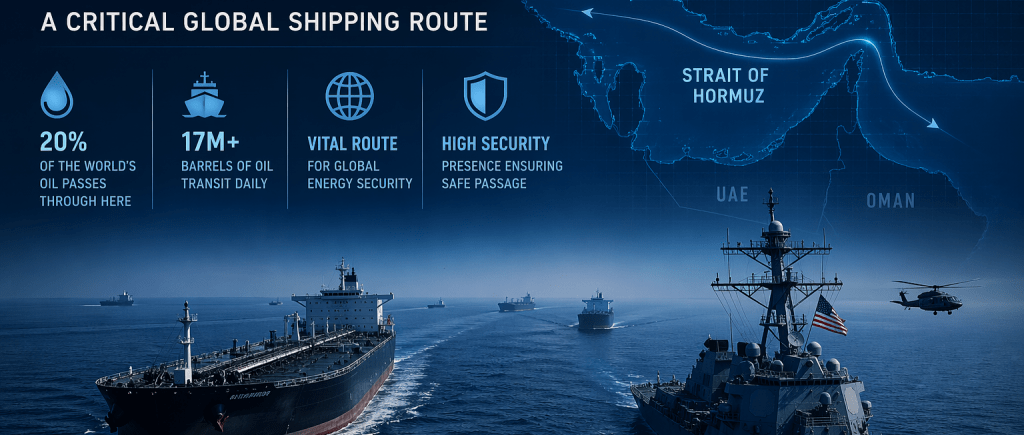
Crucially, shipping traffic in the Strait of Hormuz — a major focal point in the war — remained at a fraction of pre-war levels, amid little progress toward a resolution. Iran was reportedly preparing to charge tolls for passage through the channel, and has included the idea in its peace proposals.