Noor Trends News, Technical Analysis, Educational Tools and Recommendations

Iran has outlined strict conditions for any discussions over reopening the Strait of Hormuz, demanding security guarantees and recognition of its international rights from countries involved in recent military actions.
Iran’s First Vice President Mohammad Reza Aref stated that any nation seeking negotiations must first commit to not invading Iran and formally acknowledge its sovereignty. His remarks underscore Tehran’s firm stance amid mounting global pressure to restore access to the critical oil transit route.
Hormuz Blockade Intensifies Global Economic Concerns
The Strait of Hormuz, through which roughly one-fifth of global oil supply flows, has been effectively closed to tanker traffic, driving oil prices sharply higher and raising concerns about global inflation and economic stability.
Aref suggested that countries involved in the conflict were now seeking talks to ease the disruption, describing them as “begging” for negotiations to unblock the strait.
The closure has already tightened global energy markets, reinforcing fears of prolonged supply constraints and further price volatility.
Conflict Expands with New Fronts Emerging
The geopolitical situation continues to deteriorate, with hostilities entering a second month and showing no clear signs of de-escalation. Iran reportedly launched projectiles at Israel and targets in the Persian Gulf, while Yemen’s Iran-aligned Houthi group expanded its involvement in the conflict.
Israeli forces reported intercepting drone attacks launched from Yemen, raising concerns about the potential for further escalation. Analysts have also warned about risks to the Bab al-Mandab Strait, another key maritime chokepoint connecting the Red Sea to global shipping routes.
The widening scope of the conflict has heightened fears of broader disruptions to global trade and energy flows.
Conflicting Signals on Diplomacy
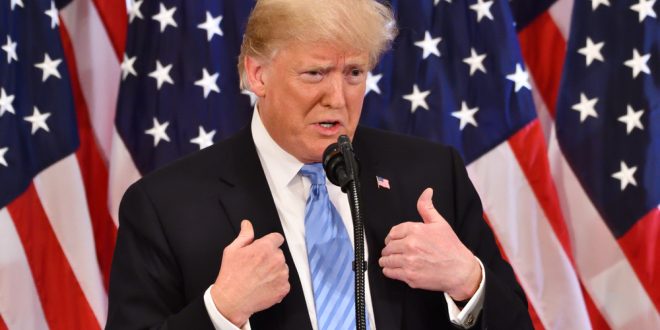
Despite escalating tensions, Donald Trump signaled optimism regarding potential negotiations with Iran, stating that talks were progressing “extremely well” and that a deal could be reached soon.
Trump claimed that Iran had allowed approximately 20 oil tankers to pass through the Strait of Hormuz as a concession, suggesting some easing of restrictions. Reports indicated that Pakistani-flagged vessels were among those permitted to transit the waterway.
However, Tehran has largely denied that direct negotiations with Washington are taking place and has insisted that any discussions must be preceded by a cessation of hostilities.
Escalation Risks and Military Posturing
Uncertainty remains elevated as both sides continue to signal readiness for further escalation. Trump declined to confirm whether U.S. ground forces would be deployed but asserted that American military operations had significantly weakened Iran’s capabilities.
Additional reports have raised concerns about potential U.S. actions targeting Iran’s uranium stockpiles or key oil infrastructure, including Kharg Island, a major export hub. Such moves could mark a significant escalation and increase the likelihood of direct confrontation.
Market expectations for further escalation are also rising, with prediction platforms indicating a growing probability of a U.S. ground operation in Iran in the coming weeks.
Market Implications
The combination of escalating conflict, disrupted energy supply routes, and uncertain diplomatic progress continues to drive volatility across global markets. Elevated oil prices are reinforcing inflation concerns, while geopolitical risks are weighing on investor sentiment.
As tensions persist, the outlook for energy markets and the broader global economy remains highly uncertain, with the Strait of Hormuz at the center of both geopolitical and financial market dynamics.