Noor Trends News, Technical Analysis, Educational Tools and Recommendations

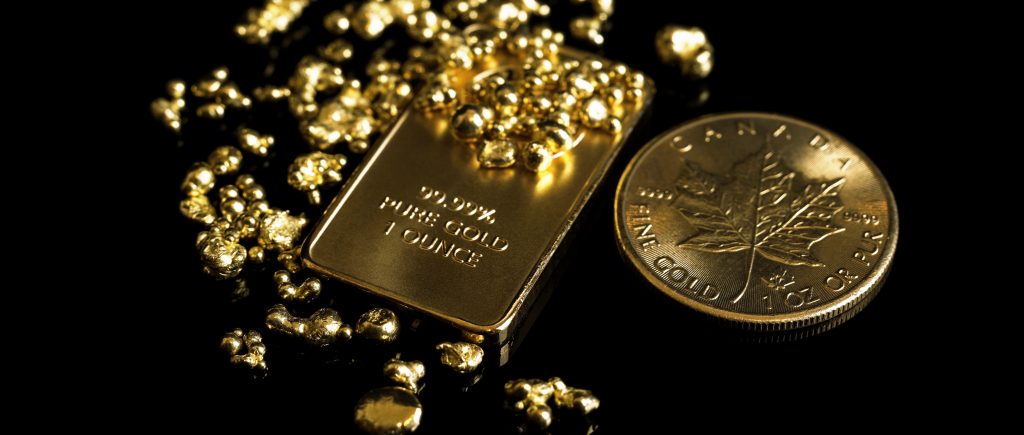
Gold prices climbed in Asian trading on Tuesday, moving back above key levels as easing oil prices provided some relief, while investors kept a close eye on the ongoing U.S.–Israel war with Iran and a packed week of central bank meetings.
By 01:26 ET (05:26 GMT), spot gold rose 0.6% to $5,035.62 per ounce, while U.S. gold futures gained 0.8% to $5,039.94 per ounce.
The rebound followed a brief drop below the $5,000 level in the previous session, as a pullback in oil prices helped ease immediate concerns over inflation driven by the Iran conflict.
Gold remains range-bound amid mixed signals
Despite the uptick, gold continues to trade within a $5,000–$5,200 range, where it has largely remained over the past three weeks.
The metal is receiving mixed signals from geopolitical developments:
- Safe-haven demand is supporting prices amid heightened uncertainty
- Inflation concerns—driven by elevated oil prices—are limiting upside
Higher inflation expectations raise the likelihood that central banks will keep interest rates elevated, which tends to weigh on gold.
Other metals also advance
Other precious metals moved higher alongside gold:
- Platinum rose 1.9% to $2,156.27 per ounce
- Silver gained 1% to $81.79 per ounce
However, like gold, both metals have remained largely range-bound after pulling back from record highs reached in late January.
Central bank meetings in focus
Market attention is now firmly on a series of major central bank meetings scheduled this week.
The U.S. Federal Reserve is set to announce its decision on Wednesday, with policymakers widely expected to keep interest rates unchanged amid uncertainty surrounding the economic impact of the Iran conflict.
Other key central banks meeting this week include:
- Bank of Canada (Wednesday)
- Bank of Japan (Thursday)
- Swiss National Bank (Thursday)
- Bank of England (Thursday)
- European Central Bank (Thursday)
Inflation outlook remains key driver
Investors are particularly focused on how central banks will respond to the risk of energy-driven inflation, as oil prices remain elevated due to supply disruptions linked to the Middle East conflict.
Markets fear that persistently high energy costs could force policymakers to adopt a more hawkish stance, keeping interest rates higher for longer.
Such a scenario typically weighs on gold, as non-yielding assets become less attractive in a high-rate environment.
Notably, gold’s strong rally earlier in 2026—which saw prices approach $5,600 per ounce—was largely driven by expectations of interest rate cuts. With those expectations now fading, bullion appears to be struggling for momentum despite ongoing geopolitical support.