Noor Trends News, Technical Analysis, Educational Tools and Recommendations

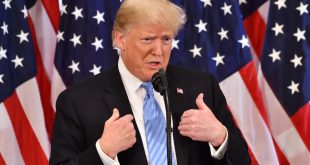
U.S. equities opened firmly higher on Tuesday, as investor sentiment improved following reports that Donald Trump is open to ending the military campaign against Iran, even without reopening the Strait of Hormuz.
At 09:31 ET (13:31 GMT), the S&P 500 advanced 1.2% to 6,419.17 points, while the Nasdaq Composite climbed 1.5% to 21,096.76 points. The Dow Jones Industrial Average rose 0.7% to 45,541.76 points, marking a strong start after a mixed session on Monday.
De-Escalation Signals Boost Markets
According to The Wall Street Journal, Trump has indicated a willingness to conclude the more than month-long conflict despite Iran maintaining control over the Strait of Hormuz. The decision reflects internal assessments that reopening the key shipping route would extend the conflict beyond the administration’s intended four- to six-week timeline.
Instead, the U.S. is expected to focus on weakening Iran’s military capabilities while shifting toward diplomatic pressure, potentially involving European and Gulf allies in efforts to reopen the strait.
The prospect of reduced military engagement helped ease investor concerns, even as the strategic waterway—through which roughly one-fifth of global oil flows—remains blocked.
Energy Shock and Inflation Concerns Persist
Despite improved sentiment in equities, oil prices remain elevated. Brent crude hovered near $117.89 per barrel, compared to around $70 before the conflict, and is on track for its largest quarterly gain since the Gulf War in 1990. U.S. West Texas Intermediate crude also rose 0.7% to $103.60 per barrel.
The sustained increase in energy prices has intensified concerns about inflation globally. Eurozone data released Tuesday showed consumer prices rising 2.5% in March, above the European Central Bank’s 2% target and up from 1.9% in February.
In the United States, gasoline prices have climbed above $4 per gallon for the first time since 2022, adding pressure on household spending despite the country’s status as a net energy exporter.
These inflationary pressures have led markets to reassess the outlook for monetary policy, with expectations shifting toward potential interest rate hikes rather than cuts. Rising bond yields have already begun to weigh on equities in recent weeks.
The S&P 500 has fallen more than 7% over the past month, putting U.S. stocks on track for their worst quarterly performance in nearly four years.
Corporate Developments in Focus
Investors are also monitoring corporate activity, with earnings from Nike Inc expected after the close for insights into how geopolitical tensions are affecting business performance.
Among notable stock movers, McCormick & Company declined after agreeing to merge with Unilever’s food division, creating a combined entity with approximately $20 billion in revenue.
Shares of Marvell Technology surged 8% after announcing an AI infrastructure partnership with Nvidia, which includes a $2 billion investment.
Meanwhile, Microsoft gained around 2% after unveiling plans to invest more than $1 billion in artificial intelligence infrastructure in Thailand over the next two years.
Market Outlook
While hopes of de-escalation have provided short-term relief to equity markets, the broader outlook remains uncertain. Elevated oil prices, persistent inflation risks, and shifting monetary policy expectations continue to pose challenges.
Investors are likely to remain highly sensitive to geopolitical developments and macroeconomic data, as markets navigate a complex and rapidly evolving environment.