Noor Trends News, Technical Analysis, Educational Tools and Recommendations


U.S. stock index futures dropped sharply on Wednesday evening after Donald Trump signaled a major escalation in military operations against Iran, dampening earlier optimism around a potential de-escalation in the conflict.
By 21:40 ET (01:40 GMT), S&P 500 futures fell 0.8% to 6,566.0 points, while Nasdaq 100 futures declined 1% to 23,966 points. Dow Jones futures dropped 0.7% to 46,499.0 points, reversing earlier steady trading ahead of Trump’s address.
Escalation Signals Trigger Market Reversal
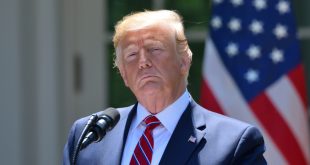
Markets turned lower after Trump said the U.S. would “hit [Iran] extremely hard” over the next two to three weeks, emphasizing a renewed push to weaken Tehran’s nuclear capabilities.
The remarks marked a clear shift from earlier signals suggesting a potential wind-down in military activity within a similar timeframe. Investors interpreted the comments as a sign that escalation may precede any eventual withdrawal, reducing hopes for near-term de-escalation.
Trump also reiterated threats to target Iran’s electricity infrastructure if no agreement is reached, while maintaining that U.S. military objectives are close to completion.
Oil Rally Adds to Market Pressure
Energy markets reacted sharply to the escalation signals, with oil prices surging more than 5% following the speech. The rally was further supported by Trump’s stance that the U.S. would not take responsibility for reopening the Strait of Hormuz, which remains largely blocked.
The continued disruption of the key shipping route—responsible for roughly one-fifth of global oil flows—has reinforced concerns about prolonged supply constraints and rising inflation.
Higher energy prices are increasingly seen as a risk to global growth, adding pressure on equity markets.
Hopes for De-Escalation Fade
Earlier in the week, markets had rallied on expectations of a potential ceasefire and bargain buying in technology stocks after a weak March. However, Trump’s latest comments have largely undermined those hopes.
Claims by the U.S. president that Iran had requested a ceasefire were denied by Iranian officials, further highlighting the lack of alignment between both sides and reducing confidence in a near-term diplomatic resolution.
Wall Street’s Recent Rally Under Threat
Despite the pullback in futures, U.S. equities had posted strong gains in recent sessions. The S&P 500 rose 0.7% on Wednesday, while the Dow Jones Industrial Average and Nasdaq Composite gained 0.5% and 1.2%, respectively. On Tuesday, all three major indexes had surged between 2% and 4%.
Technology stocks led the rebound, supported by bargain hunting after underperforming in March due to concerns over artificial intelligence demand and semiconductor weakness.
After-Hours Movers in Focus
Among notable after-hours moves, Globalstar Inc surged 16% to an 18-year high after reports that Amazon is in talks to acquire the firm.
Market Outlook
The latest escalation signals highlight the fragile nature of recent market gains. With geopolitical risks intensifying and energy prices rising, investor sentiment is likely to remain volatile.
Markets will continue to react to developments in the Middle East, with oil prices, inflation expectations, and central bank policy outlooks acting as key drivers in the near term.