Noor Trends News, Technical Analysis, Educational Tools and Recommendations

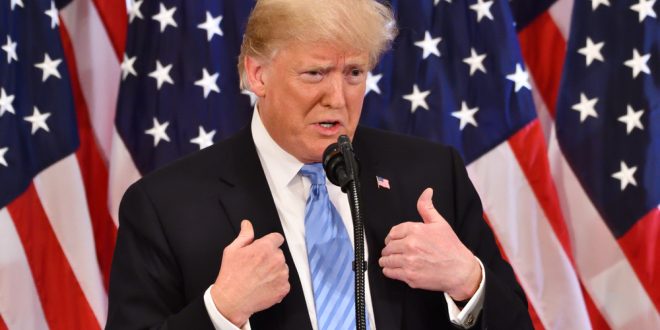
U.S. stock futures moved higher on Tuesday, supported by reports that Donald Trump is considering ending the military campaign against Iran, even as the critical Strait of Hormuz remains effectively closed.
By 03:29 ET (07:29 GMT), Dow Jones futures rose 333 points, or 0.7%, while S&P 500 futures gained 42 points, also up 0.7%. Nasdaq 100 futures advanced 137 points, or 0.6%, reflecting improved risk sentiment in early trading.
De-Escalation Strategy Takes Shape
According to The Wall Street Journal, Trump and his advisors have assessed that reopening the Strait of Hormuz could significantly extend the duration of the conflict beyond the administration’s initial four- to six-week timeline.
As a result, Washington is reportedly preparing to wind down military operations after achieving key objectives, including weakening Iran’s naval and missile capabilities. The strategy would then shift toward diplomatic pressure, with the United States potentially relying on European and Gulf allies to take the lead in reopening the strait if Iran does not comply.
This potential pivot has been interpreted by markets as a step toward de-escalation, even though core risks remain unresolved.
Hormuz Closure Continues to Drive Market Volatility
The Strait of Hormuz remains a central point of tension in the conflict, with Iran effectively blocking the passage through a combination of mines and missile activity. The waterway accounts for roughly 20% of global oil flows, making its disruption a major concern for energy markets.
Despite a U.S. deadline for Iran to reopen the strait or face further military action, Tehran has rejected these demands and continued to target tanker traffic in the region.
The ongoing closure has driven a sharp increase in global oil and gas prices. Brent crude futures remain elevated above $110 per barrel, compared to approximately $70 before the outbreak of the conflict, fueling concerns about rising inflation and economic pressure across multiple sectors.
Additional supply risks emerged after a Kuwaiti oil tanker caught fire near Dubai, with reports attributing the incident to an Iranian attack. Iran’s parliament has also approved a preliminary plan to impose tolls on vessels passing through the strait, further complicating the outlook for global shipping and energy costs.
Conflict Intensifies Across the Region
Despite signs of a potential shift in U.S. strategy, hostilities across the Middle East continue to escalate. U.S. forces reportedly struck a major ammunition depot in Isfahan, while Israel conducted additional operations targeting Iranian military infrastructure.
Several Gulf nations, including the United Arab Emirates, Kuwait, and Saudi Arabia, reported intercepting missile and drone attacks, highlighting the expanding scope of the conflict. Iran has also targeted energy infrastructure across the region, raising concerns that the situation could evolve into a broader regional war.
Market Outlook
While the prospect of reduced U.S. military engagement has supported equity futures, markets remain highly sensitive to developments in the Middle East. The continued disruption of key energy routes, rising oil prices, and escalating regional tensions suggest that volatility is likely to persist.
Investors will be closely monitoring both diplomatic efforts and military developments, as the balance between de-escalation and further conflict will play a critical role in shaping global market direction in the near term.