Noor Trends News, Technical Analysis, Educational Tools and Recommendations

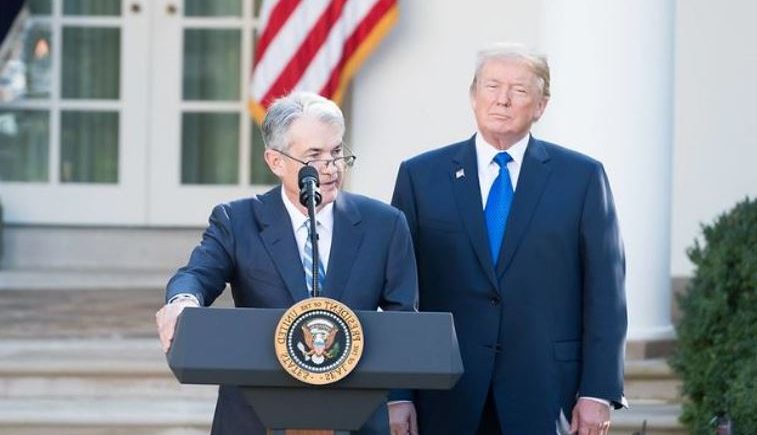
Tariffs Take a Backseat to Fiscal Strategy: US President Donald Trump’s tariffs dominated headlines in 2025, yet the year-end economic reality tells a different story. Despite early predictions of a possible recession, the US economy displayed remarkable resilience, with third-quarter growth soaring 4.3%, fueled by strong consumer spending and capital investments, particularly in artificial intelligence.
Inflation Persists, But Less Severe Than Feared
While tariffs contributed to inflation, the impact has been more moderate than expected. The personal consumption expenditures price index, closely monitored by the Federal Reserve, rose to 2.8% in the third quarter, and 2.9% for the core measure, excluding food and energy. Both figures remain above the Fed’s 2% target, highlighting persistent, sticky inflation that complicates monetary policy decisions.
Trump’s 2026 Strategy: Lower Rates Over Higher Tariffs
As the midterm elections approach, Trump is increasingly focused on the Fed. Lower interest rates now outweigh the push for new tariff hikes, a shift driven less by ideology and more by arithmetic. With federal deficits exceeding 6% of GDP and projected tax cuts of over $400 billion in 2026, higher interest rates could dramatically inflate government borrowing costs.
Tariff Impact: Controlled and Strategic
Despite aggressive announcements, the real-world effect of Trump’s tariffs has been tempered by exemptions and bilateral deals. The US effective tariff rate currently hovers around 15%, aligning closely with global import tax levels when considering value-added taxes. Analysts expect this rate to ease to about 12% by the end of 2026—enough to generate revenue without destabilizing global supply chains.
Balancing Inflation and Fiscal Needs
Tariffs and interest rates often clash within the framework of inflation targeting. Aggressive tariffs tend to keep inflation expectations elevated, making it harder for the Fed to justify rate cuts. In 2026, Trump is expected to prioritize rate cuts as a fiscal necessity—reducing the cost of servicing federal debt while maintaining a stable economic backdrop for his midterm agenda.
Looking Ahead: 2026 in Trump’s Calculations
The coming year will test how effectively Trump can navigate the delicate balance between tariffs, inflation, and interest rates. By focusing on the Fed and fiscal arithmetic, he aims to create conditions favorable for both economic growth and political advantage as the US heads into the midterm elections.