Noor Trends News, Technical Analysis, Educational Tools and Recommendations

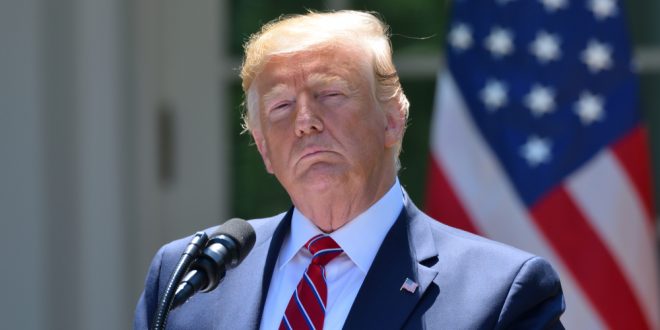
U.S. President Donald Trump announced a five-day postponement of planned military strikes on Iranian energy infrastructure, citing what he described as “very good” and “productive” discussions with Tehran—sparking a sharp reaction across global markets.
Temporary pause in military action
Trump said he had instructed the Pentagon to delay attacks on Iranian power plants and energy facilities, indicating a potential diplomatic opening after days of heightened tensions.
Speaking to reporters, he expressed strong confidence that:
- Iran is eager to reach a deal quickly
- Oil prices will “drop like a rock” once an agreement is finalized
- The U.S. wants maximum oil supply back in the market
He also suggested that the Strait of Hormuz could soon reopen under some form of joint control, though he stopped short of providing concrete details or guarantees.
Conflicting signals from Iran
Despite Trump’s remarks, Iranian officials pushed back firmly:
- Tehran denied any direct or indirect negotiations with Washington
- Officials described Trump’s statements as “psychological warfare”
- Iran warned it would keep the Strait of Hormuz closed if attacked
- The Revolutionary Guards threatened retaliatory strikes on energy infrastructure across the region
The contradiction between U.S. and Iranian narratives has injected further uncertainty into already volatile markets.
Negotiation claims and U.S. demands
Trump said discussions were ongoing and would continue via phone, involving senior U.S. figures including Steve Witkoff and Jared Kushner.
He emphasized that:
- The U.S. is willing to strike a deal
- Iran must not develop nuclear weapons or enrich uranium
- Israel would be satisfied with the outcome
Trump also reiterated that he believes Iran posed an imminent threat prior to the war.
Markets react sharply
Financial markets responded swiftly to the perceived de-escalation:
- S&P 500 rose 2.1%
- Brent crude oil fell back below $100 per barrel after days above that level
- U.S. Treasury yields declined
- Gold trimmed earlier losses
- U.S. dollar weakened
The reaction reflects investor optimism that easing tensions could:
- Restore disrupted energy flows
- Reduce inflation pressures
- Stabilize global growth expectations
Outlook
While the pause in strikes has provided short-term relief, the situation remains highly uncertain due to conflicting messaging and ongoing military risks.
Key factors to watch:
- Whether talks materialize into actual negotiations
- The status of the Strait of Hormuz reopening
- Potential retaliatory actions from Iran
- Oil price direction and its impact on inflation and central bank policy
For now, markets are reacting to the possibility of a deal—but remain highly sensitive to any shift in the geopolitical narrative.