Noor Trends News, Technical Analysis, Educational Tools and Recommendations

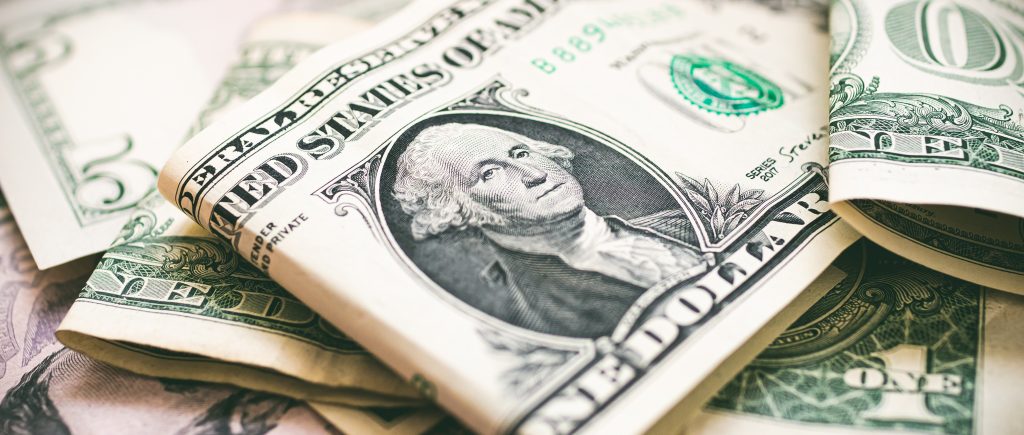
A sudden pause in conflict sends the world’s reserve currency tumbling as investors rush back into risk. The U.S. dollar weakened noticeably on March 23, 2026, after an abrupt shift in geopolitical signals triggered a dramatic change in global market sentiment. For weeks, the currency had been supported by rising tensions surrounding the conflict involving Iran, as investors sought safety in the world’s most widely traded reserve currency.
But when Washington unexpectedly announced a five-day delay on planned military strikes against Iranian energy infrastructure, financial markets reacted instantly. Traders who had moved heavily into the dollar during the crisis began shifting back toward riskier assets, sending the currency lower against several major global peers.
The reaction was swift and widespread. Earlier in the day the dollar had been strengthening amid fears that the conflict could escalate further and threaten key energy routes in the Middle East. Yet within hours of the announcement, the mood across global markets changed. Investors rapidly unwound defensive positions, pushing the dollar down while other currencies advanced. The euro and several other major currencies strengthened as market participants interpreted the pause in military action as a sign that the immediate risk of a broader regional conflict might be easing.
A Deadline, a Pause, and a Market Whiplash
The turbulence began over the weekend, when Washington issued a warning demanding that shipping routes through the Strait of Hormuz remain open or face potential military retaliation. Markets had braced for escalation, fearing that attacks on energy facilities could disrupt one of the world’s most critical oil corridors.
Then came the sudden shift. On Monday, the United States announced a five-day pause in the planned strikes, citing the possibility of diplomatic progress. The message immediately altered the mood on trading floors worldwide. Investors interpreted the delay as a signal that the worst-case scenario—an expanded war threatening global oil supplies—might be avoided, at least temporarily.
However, the situation remained complicated. Iranian officials quickly rejected the suggestion that negotiations were underway and stated that no formal talks were taking place. This contradiction introduced a new layer of uncertainty into already volatile markets. Despite the conflicting signals, investors responded positively to the prospect of even a brief reduction in immediate military risk.
Stocks Surge, Bonds Breathe
While the dollar weakened, global equity markets surged. Major U.S. stock indexes climbed strongly as investors moved money back into equities following several volatile sessions dominated by war fears. The rebound reflected renewed optimism that the geopolitical crisis might not escalate as rapidly as previously feared.
Oil prices also dropped sharply. Energy markets had been on edge for weeks as traders worried that conflict in the region could disrupt shipments through the Strait of Hormuz, one of the world’s most important arteries for global oil supply. When the risk of immediate military action appeared to ease, those fears cooled, sending crude prices downward.
The decline in oil prices reinforced the downward pressure on the dollar. During periods of geopolitical turmoil—particularly when energy supplies are threatened—the dollar often strengthens as investors seek liquidity and stability. But when tensions ease, demand for the currency as a safe haven tends to fade quickly.
Government bond markets also stabilized. Debt markets had experienced turbulence during the height of the crisis, as investors worried about inflation and global economic disruption caused by surging energy prices. The pause in military action allowed bond yields to settle as traders reassessed the broader economic outlook.
The War Behind the Markets
The currency volatility seen on March 23 cannot be separated from the broader conflict that erupted in late February. The confrontation involving Iran has already delivered a major shock to global energy markets, raising concerns about supply disruptions, inflation, and slower economic growth. Since the conflict began, financial markets have been reacting almost minute-by-minute to political and military developments. Each escalation has tended to strengthen the dollar as investors seek safety, while every hint of de-escalation has produced the opposite effect.
At a Glance
Date: March 23, 2026
Trigger: Five-day delay of planned U.S. strikes on Iranian energy facilities
Immediate market reaction:
U.S. dollar weakens against major currencies
Global stock markets rally
Oil prices fall sharply
Bond markets stabilize
A Fragile Calm
Despite the surge in stocks and the decline in the dollar, few investors believe the crisis has been resolved. Iran’s denial of negotiations and the continuing military standoff mean that markets remain extremely sensitive to political developments.
For the dollar, the events of March 23 offered a powerful reminder of how quickly sentiment can change. In times of geopolitical crisis, the currency often rises as the world seeks safety. But when the war drums quiet—even briefly—the demand for that safety can fade just as fast.