Noor Trends News, Technical Analysis, Educational Tools and Recommendations

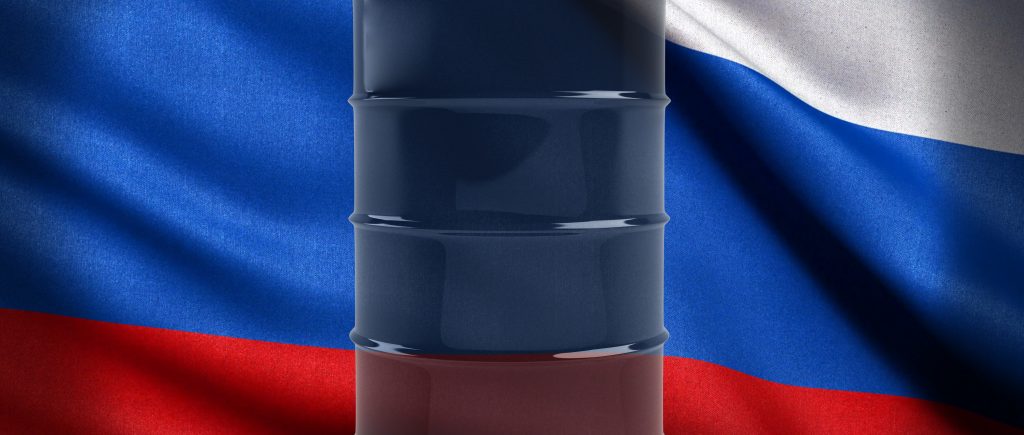
Russia sharply criticized new U.S. restrictions affecting Venezuela’s oil industry on Wednesday, with Foreign Minister Sergei Lavrov describing the measures as “blatant discrimination” against Moscow and other countries, while the Kremlin said it would seek clarification from Washington.
The comments followed a move by the U.S. Treasury Department on Tuesday to issue a general license aimed at facilitating oil and gas exploration and production in Venezuela. However, the license explicitly excluded transactions involving Russian, Chinese, and Iranian nationals or entities—countries that have long-standing investments in Venezuela’s energy sector.
Speaking before Russia’s lower house of parliament, Lavrov said Moscow was already in contact with Washington over the issue and stressed that Russia favors dialogue based on mutual respect rather than unilateral decision-making.
“This is blatant discrimination, despite the fact that Russia, China and Iran have had investments in Venezuela’s oil and energy sector,” Lavrov said, adding that cooperation with the United States should take place “without the idea of domination.”
Kremlin spokesman Dmitry Peskov echoed the criticism, confirming that Russia would raise the matter directly with U.S. officials. “We do indeed have investments in Venezuela, we have long-term projects, and there is interest both from our Venezuelan partners and from us,” Peskov said. “All of this is a reason to discuss the situation with the Americans.”
The dispute comes against the backdrop of Washington’s broader stance toward Venezuela. U.S. President Donald Trump has previously spoken openly about wanting the United States to gain control over Venezuela’s vast oil reserves—the largest in the world—alongside American oil companies, following the removal of President Nicolas Maduro. Maduro, who was detained by U.S. forces in January, has pleaded not guilty to U.S. drug-related charges.
China and Russia deeply embedded
China remains a major customer and investor in Venezuela’s oil sector. A large share of Venezuela’s crude exports is shipped to China, often through complex trading arrangements and rebranding. During 2025, Chinese imports of Venezuelan oil reached around 470,000 barrels per day, accounting for roughly 4.5% of China’s seaborne crude imports.
Russia also has significant exposure. Roszarubezhneft, a Russian energy company operating in Venezuela, said last month that all of its Venezuelan assets belong to the Russian state and that it intends to honor its commitments to international partners in the country. The firm was established in 2020 and later acquired Venezuelan assets previously held by Rosneft, after U.S. sanctions were imposed on two Rosneft subsidiaries for trading Venezuelan oil.
Russia’s relationship with Venezuela spans energy cooperation, military ties, and sustained political backing. Before divesting, Rosneft held stakes in several major upstream ventures, including Petromonagas, Petroperija, Boqueron, Petromiranda, Petrovictoria, and Petrovictoria-related projects.
The latest U.S. move risks further complicating geopolitical tensions around Venezuela’s oil sector, as Washington seeks to reshape the country’s energy landscape while sidelining rival powers with entrenched interests.