 Noor Trends News, Technical Analysis, Educational Tools and Recommendations

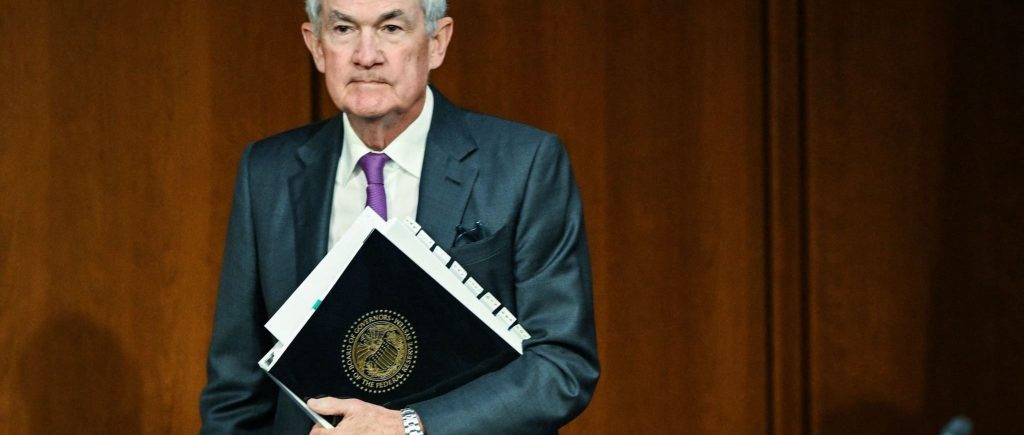
Federal Reserve Chair Jerome Powell delivered a candid assessment of the U.S. economy, painting a picture of resilience mixed with uncertainty. He noted that consumer spending remains firm and business investment is expanding, yet housing activity continues to lag.
Powell emphasized that labor demand has clearly weakened, though other labor market indicators remain relatively stable. Short-term inflation expectations have ticked higher, driven largely by tariff-related goods prices, while long-term expectations remain anchored near the Fed’s 2.00% target.
On global risks, Powell cautioned that the economic fallout from Middle East tensions is highly uncertain, making it premature to gauge the scope or duration of their impact.
Regarding monetary policy, Powell asserted: “We are in a good position.”
Key Takeaways from Powell’s Q&A Session:
– 2026 is pivotal for achieving progress in goods inflation, the Fed’s primary focus.
– Energy price shocks will not be “ignored” until clear progress is seen in goods inflation.
– The Fed is wary of underestimating the impact of energy-driven inflation.
– Committee sentiment has shifted toward fewer rate cuts.
– Progress on tariff-related goods inflation is expected by midyear.
– No rate cuts will occur without tangible inflation improvement.
– Powell hinted that this meeting could have proceeded without the Summary of Economic Projections.
– Five years of inflation above target raises concerns about destabilized expectations.
– Strong commitment to keeping inflation expectations anchored at 2.00%.
– The Fed seeks sustained progress in housing services inflation, a decline in goods inflation, and improvement in non-housing services.
– Powell downplayed employment risks compared to inflation risks.
– On core inflation excluding food and energy: “It’s puzzling. There are special factors, but we’re not entirely sure.”
– Powell has not decided on his future as Fed Chair, stressing he will act in the institution’s best interest.
– He vowed not to leave before ongoing investigations are fully concluded.
This statement reflects a hawkish tilt, signaling the Fed’s determination to keep inflation under control even at the expense of delaying rate cuts. The emphasis on goods inflation, tariffs, and energy shocks suggests that Powell is preparing markets for a longer battle against price pressures.