Noor Trends News, Technical Analysis, Educational Tools and Recommendations

In a widely anticipated move, the Federal Reserve lowered its benchmark interest rate by 25 basis points at its December meeting, bringing the Federal Funds Target Range to 3.50%–3.75%. The decision, aligning with market expectations, reflects the Fed’s effort to balance its dual mandate of fostering maximum employment and maintaining price stability.
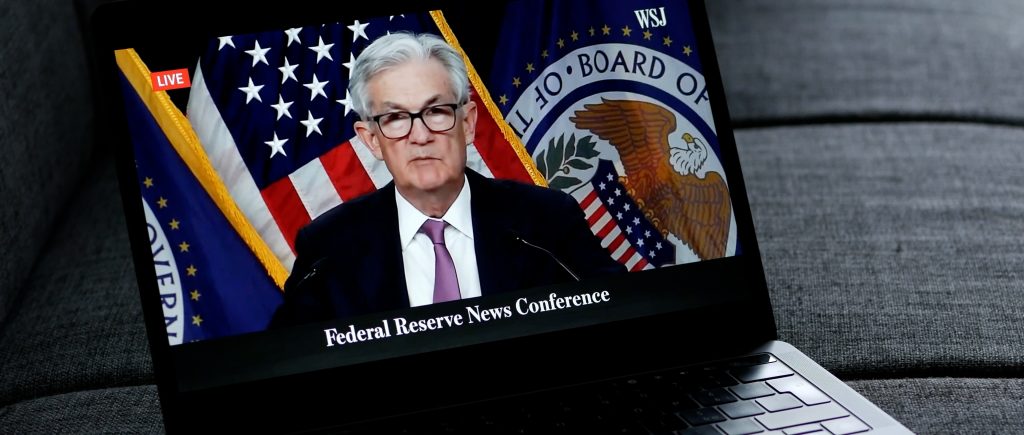
At the post-meeting press conference, Fed Chair Jerome Powell acknowledged the inherent tension between these two objectives. He highlighted that while the labor market remains resilient and consumer spending continues, inflation remains elevated. Powell emphasized that the effects of recent rate cuts are only beginning to take hold and that policymakers will carefully monitor incoming data before making additional adjustments.
Key Takeaways from the Fed’s Statement and Projections
The Fed signaled a potential pause in rate cuts, describing its future approach in terms of “extent and timing.”
Economic growth has been moderate, job gains are slowing, and the unemployment rate has edged higher.
Inflation, while elevated, is being closely watched, and uncertainty about the economic outlook remains substantial.
The Fed plans to begin reserve-management purchases of Treasury bills starting December 12, initially buying approximately $40 billion, with the pace expected to taper in the coming months.
The policy vote was 9–3, reflecting some divergence within the committee.
The Summary of Economic Projections indicates a median forecast for the federal funds rate of 3.6% by the end of 2025, gradually declining to 3.1% by 2027. Policymakers also anticipate 2.3% GDP growth in 2026, down slightly from earlier projections, and see core inflation stabilizing around 2.5%. The projections suggest the likelihood of two additional 25-basis-point cuts between 2026 and 2027, though opinions among officials vary widely.
Market Response
Following the announcement, the US Dollar retreated across major currency pairs, with the US Dollar Index dipping below 99. Treasury yields also declined, reflecting a market priced for a modest easing trajectory. The US Dollar showed relative strength against the Canadian Dollar, while EUR/USD and GBP/USD exhibited upward pressure as traders digested the Fed’s cautious tone. Gold saw a modest gain, trading above $4,200, as investors weighed the Fed’s dovish guidance.
Analysts note that while the rate cut was largely expected, attention will remain on the Fed’s messaging. A hawkish tone from Powell could support the dollar, whereas concerns over labor market softness or persistent inflation could keep the greenback under pressure. Technical indicators suggest that EUR/USD is maintaining a bullish posture in the short term, with key resistance and support levels in focus for traders.
What This Means for the Economy
Interest rates play a central role in the economy, influencing borrowing costs for businesses and consumers, as well as returns for savers. By lowering rates, the Fed aims to encourage lending and spending, supporting growth amid cooling inflation. The careful balance between stimulating the economy and controlling price pressures remains a key challenge, particularly as markets assess the potential for additional rate adjustments in the coming years.
With the final rate cut of 2025 now in place, all eyes turn to Powell’s guidance and the Fed’s 2026 outlook. Investors will be watching closely for signs of either continued easing or a more hawkish stance as the central bank navigates an economy at a delicate crossroads.