Noor Trends News, Technical Analysis, Educational Tools and Recommendations

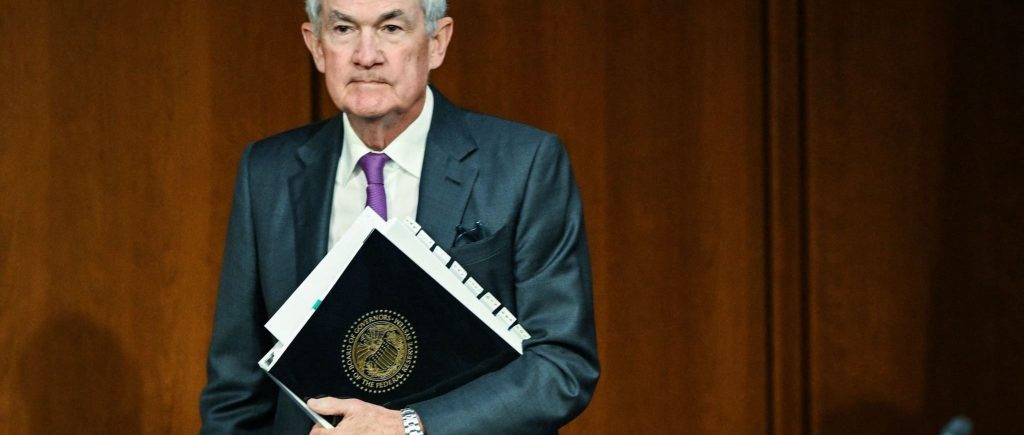
Federal Reserve Chair Jerome Powell delivered a calm and measured message on Wednesday, working to cool market expectations for continued monetary easing. He emphasized that the U.S. economy is “in a good place” and that current interest rates sit within a “reasonable range” close to the neutral level that balances growth and inflation.
Speaking after the Fed’s latest rate cut, Powell repeatedly underlined the central bank’s confidence in its current policy stance, noting improvements in inflation trends and resilience in the labor market. While acknowledging that inflation risks remain, he pointed out that services inflation continues to ease, and the recent rise in goods prices is almost entirely driven by tariffs. These tariffs, he stressed, represent a one-off price shock rather than a lasting source of pressure. Without them, inflation would likely be nearing the Fed’s 2% target.
Powell’s comments suggested that in the absence of new tariff hikes, inflation should gradually drift downward. Market expectations reflected this: the probability of a rate cut in April climbed to around 60%, and expectations for June rose to nearly 87%. Still, Powell was clear that policy decisions will be taken “meeting by meeting,” adding that there are “no guaranteed paths” for monetary policy.
He acknowledged a clear split within the Federal Open Market Committee, with some members favoring a pause and others supporting further cuts—an illustration of the balanced but divided outlook inside the Fed. Powell added that the effects of previous rate cuts are only beginning to show and that no decision has been made regarding the January meeting.
On the labor market, Powell noted signs of cooling. September data showed higher unemployment and a slowdown in job creation, reflecting a market that is becoming softer and less dynamic. He warned that downside risks to employment have increased and that the Fed must watch carefully for any shift toward negative job growth, though he does not foresee a sharp deterioration under current rate levels.
Turning to inflation, Powell described the latest readings as mixed: goods inflation has edged higher while services inflation continues to decline. Removing tariff effects, he said, would likely bring inflation closer to target. He reaffirmed the Fed’s commitment to returning inflation to 2%.
Powell also highlighted the underlying strength of the U.S. economy, pointing to solid consumer spending and continued business investment—especially in areas linked to artificial intelligence. He suggested that any drag from the recent government shutdown is likely to be offset by stronger growth in the next quarter, with overall economic activity expected to remain firm in the coming year.
Finally, Powell noted that reserve balances remain adequate and that the Fed will continue purchasing short-term Treasuries when necessary to manage liquidity during the tax season. Despite differing opinions within the committee, he stressed that discussions were thorough and constructive, with broad agreement that inflation is still too high and the labor market has weakened.
He closed by expressing optimism about productivity gains driven by artificial intelligence, which could lift growth in the years ahead, adding that he aims to leave the next Fed leadership with an economy in strong shape—featuring a solid job market and inflation under control.