Noor Trends News, Technical Analysis, Educational Tools and Recommendations


Oil prices rallied sharply on Monday, extending recent gains as escalating geopolitical tensions in the Middle East raised fears of broader supply disruptions. The latest move higher reflects growing concerns that the conflict is widening, with new actors entering the confrontation and little indication of near-term de-escalation.
Brent crude futures rose 2.7% to $115.55 per barrel as of 00:43 ET (04:43 GMT), after briefly touching an intraday high of $116.43. U.S. West Texas Intermediate (WTI) crude advanced 1.8% to $101.41 per barrel, underscoring continued upward pressure across global oil benchmarks.
Houthi attacks raise risk of regional escalation
Concerns intensified after Yemen’s Iran-backed Houthi group launched missile strikes against Israel over the weekend, signaling a potential expansion of the conflict. The group also warned of further attacks, heightening fears of sustained instability across the region.
The Houthis’ involvement introduces additional risks to key maritime routes, particularly in the Red Sea, where the group has demonstrated the ability to target commercial shipping. This development adds another layer of disruption to already strained global energy supply chains.
Military activity across the region has also escalated. Israeli forces reportedly struck targets in Iran’s capital, while the United States increased its military presence, deploying approximately 3,500 troops aboard the USS Tripoli.
Strait of Hormuz disruption drives supply concerns
Oil markets remain heavily influenced by the ongoing disruption in the Strait of Hormuz, a vital shipping lane that accounts for roughly one-fifth of global oil consumption. Iran’s effective blockade of the strait has significantly tightened supply conditions, contributing to the sharp rise in crude prices.
Since the onset of the conflict, Brent crude has surged by nearly 60% over the past month, highlighting the scale of the supply shock facing global markets.
Limited impact from diplomatic optimism
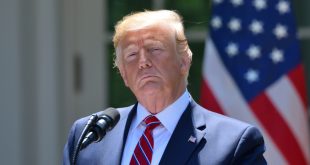
Despite escalating tensions, markets showed little reaction to renewed diplomatic signals from Donald Trump, who indicated that negotiations with Iran were progressing and that a deal could be reached soon.
Speaking aboard Air Force One, Trump expressed cautious optimism about a potential agreement and suggested that Iran had allowed several oil tankers to pass through the Strait of Hormuz as a goodwill gesture.
However, investors remain skeptical about the likelihood of a near-term resolution. Iran has continued to deny engaging in direct negotiations with Washington and has accused the United States of preparing for a possible ground invasion.
Escalation risks remain elevated
Additional developments have further heightened concerns over a broader conflict. Trump indicated openness to taking control of Iranian oil assets, while separate reports suggested that the United States may consider seizing Iran’s uranium stockpiles—both scenarios that could involve direct military engagement.
At the same time, Pakistan has signaled its willingness to host talks between the United States and Iran following calls for renewed negotiations. However, diplomatic progress remains uncertain, with significant differences still unresolved.
Market outlook
Oil markets remain highly sensitive to geopolitical developments, with traders balancing intermittent diplomatic signals against the growing risk of a wider regional conflict. The combination of supply disruptions, military escalation, and uncertain negotiations continues to support elevated prices and reinforces concerns over global inflation and economic stability in the near term.