Noor Trends News, Technical Analysis, Educational Tools and Recommendations


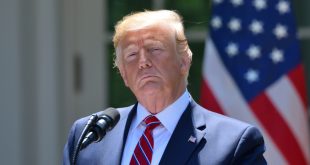
Oil prices plunged sharply on Wednesday after Donald Trump agreed to a two-week ceasefire with Iran, triggering a dramatic unwind of geopolitical risk premiums.
Brent crude dropped nearly 14% to $94.34 per barrel, while U.S. West Texas Intermediate (WTI) tumbled over 15% to $95.91. Both benchmarks briefly fell to intraday lows near $91, marking one of the steepest declines in recent years.
Ceasefire Deal Shifts Market Narrative
The sell-off came after Trump confirmed a temporary suspension of military operations just hours before a key escalation deadline.
He stated that core U.S. military objectives had already been achieved, while revealing that Iran had submitted a multi-point proposal that could form the basis of a broader agreement.
Tehran also signaled conditional willingness to de-escalate, including allowing safe passage through the Strait of Hormuz during the ceasefire period—provided hostilities cease and coordination protocols are followed.
Hormuz Reopening Drives Price Collapse
The Strait of Hormuz—responsible for roughly one-fifth of global oil flows—has been the central driver behind oil’s rally in recent weeks.
With the prospect of reopening the channel, traders rapidly repriced supply expectations, leading to a sharp drop in crude prices as fears of prolonged disruption eased.
Last-Minute Diplomacy Prevents Escalation
The agreement followed intense last-minute diplomatic efforts, with Pakistan playing a key mediating role in bringing both sides toward a temporary truce.
Markets had been bracing for a major escalation, especially after earlier warnings that failure to comply with U.S. demands could lead to devastating strikes.
Instead, the ceasefire marked a decisive shift toward de-escalation, at least in the short term.
U.S. to Support Shipping Recovery
Trump also announced that the United States will assist in clearing congestion and restoring traffic flows through the Strait of Hormuz, expressing confidence that the ceasefire would hold.
He described the development as “a big day for world peace,” signaling a pivot from military pressure to stabilization efforts.
Market Outlook
The sharp drop in oil reflects a rapid normalization of supply expectations, but volatility is likely to remain elevated.
If the ceasefire holds and the Strait of Hormuz fully reopens, oil could stabilize at lower levels. However, any breakdown in the agreement could quickly reignite supply fears and send prices surging again.