Noor Trends News, Technical Analysis, Educational Tools and Recommendations


U.S. financial markets and cryptocurrencies moved decisively higher after a landmark decision by the US Supreme Court struck down sweeping tariffs imposed under emergency powers, removing a major source of economic and policy uncertainty that had weighed on global sentiment.
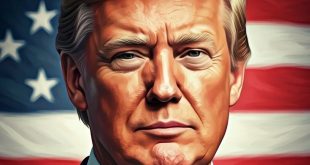
The ruling concluded that the former president Donald Trump exceeded his authority by using national emergency provisions to impose broad-based tariffs without congressional approval. By limiting the executive branch’s ability to unilaterally reshape trade policy, the decision effectively restores Congress as the primary authority over tariffs and trade legislation.
A Shift in the Balance of Power on Trade Policy
Beyond its immediate market impact, the ruling carries significant implications for U.S. economic governance. The now-invalidated tariffs had targeted imports from multiple countries and generated substantial government revenue, while also raising costs for businesses and consumers. Legal challenges argued that these measures disrupted supply chains, distorted pricing, and added inflationary pressure at a time when the economy was already slowing.
With the court’s decision, similar tariffs can no longer be imposed unless explicitly authorized by Congress. For markets, this reduces the risk of sudden, unilateral trade actions and introduces a higher bar for future tariff initiatives. While this may slow the pace of trade policy changes, it also reduces the likelihood of abrupt shocks that can destabilize financial conditions.
Stocks React Positively as Uncertainty Eases
Equity markets responded quickly to the ruling. Major U.S. indexes moved higher as investors welcomed the reduced risk of escalating trade barriers. The S&P 500 posted solid gains, while the Nasdaq outperformed, led by strength in technology and growth-oriented stocks.
Technology shares, in particular, benefited from the improved outlook. These companies are often highly exposed to global supply chains and international demand, making them sensitive to trade policy shifts. The removal of broad tariff threats improved expectations for cost stability, profit margins, and longer-term investment planning.
The broader rally reflects a simple but powerful driver: reduced uncertainty. Tariffs function much like taxes on imports, raising prices and dampening economic activity. By eliminating the immediate threat of wide-ranging trade duties, the ruling improved confidence in the growth outlook and supported risk appetite.
Crypto Markets Join the Rally
The positive sentiment was not confined to traditional markets. Cryptocurrencies also moved higher, signaling a broader shift in investor confidence. The total digital asset market capitalization rose noticeably, while Bitcoin climbed toward the upper end of its recent trading range after weeks of volatility.
Crypto assets are particularly sensitive to global liquidity conditions and macroeconomic confidence. When uncertainty around trade, inflation, and policy recedes, capital often flows back into higher-risk assets. The simultaneous recovery in equities and digital assets suggests investors are recalibrating toward a more constructive near-term outlook.
Gold Volatility Highlights Changing Risk Sentiment
Safe-haven assets told a more nuanced story. Gold prices dipped briefly following the ruling as investors rotated toward riskier assets, before stabilizing later in the session. This volatility underscored the shifting balance between caution and optimism, as markets reassessed the need for defensive positioning in light of reduced trade tensions.
The easing of tariff-related risks also carries implications for inflation expectations. By lowering the probability of higher import costs, the decision may help contain price pressures at the margin, a factor closely watched by policymakers and investors alike.
Broader Implications for Policy and Markets
The ruling also highlights deeper political dynamics in Washington. By reinforcing Congress’s constitutional role in setting trade policy, the decision may lead to a more measured and deliberative approach to tariffs going forward. While this could slow policy responses, it also reduces the risk of sudden shifts that catch markets off guard.
For investors, this stability is broadly supportive. A more predictable trade environment improves planning for businesses, supports cross-border investment, and reduces one of the key macro risks that has hovered over markets in recent months.
Looking Ahead
While geopolitical tensions and economic challenges remain, the Supreme Court’s decision has removed a major overhang from the outlook. For equities, the combination of easing trade uncertainty and hopes for eventual monetary easing from the Federal Reserve provides a more supportive backdrop. For cryptocurrencies, improved confidence and liquidity expectations are helping revive momentum.
In the near term, the synchronized rise in stocks and digital assets reflects a market reassured by clearer legal boundaries and reduced policy risk. Whether this optimism can be sustained will depend on incoming economic data, inflation trends, and the next phase of U.S. trade and monetary policy—but for now, investors appear to be breathing a little easier.