Noor Trends News, Technical Analysis, Educational Tools and Recommendations

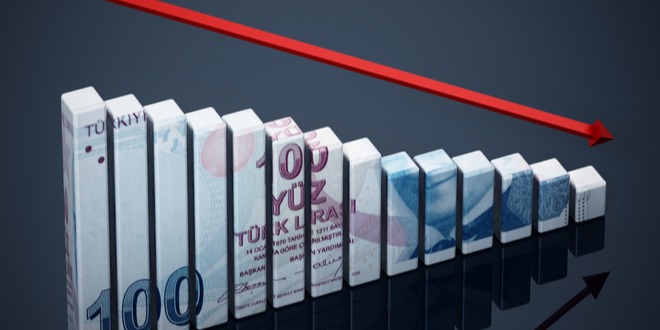
Turkey’s upcoming inflation figures are expected to do little to change the broader narrative surrounding the Turkish lira, as investors increasingly focus on structural weaknesses rather than short-term price movements.
Even if the latest data shows a temporary easing in inflation, market sentiment remains anchored in a more persistent view: the currency continues to face steady depreciation pressures driven by deeper economic imbalances.
Currency Driven by Bigger Forces Than Data
Inflation releases that once carried significant market impact are now being treated as secondary indicators. Traders are increasingly discounting monthly fluctuations, instead concentrating on longer-term factors shaping currency performance.
The key concern is that domestic price stability remains fragile, while external conditions continue to amplify vulnerabilities in the economy. As a result, even “better” inflation readings are unlikely to materially shift sentiment toward the lira.
Energy Costs Keep the Pressure Alive
One of the most important drivers behind the current outlook is the rising cost of energy. Higher global energy prices are expected to filter into domestic inflation over time, keeping underlying price pressures elevated.
This means that even when short-term data appears stable, the forward-looking inflation path remains more challenging. Essential goods and services—particularly transportation and food—continue to face upward pricing pressure, reinforcing concerns about sustained inflation.
Weak Anchor for Currency Stability
In normal conditions, inflation trends can help anchor expectations for currency performance. However, in the current environment, that mechanism appears weakened. Persistent price pressures, combined with external shocks and uncertain capital flows, are reducing confidence in medium-term stability. This creates a situation where the currency remains under pressure regardless of minor improvements in headline data.
Geopolitics Amplifies Market Sensitivity
Beyond domestic factors, global geopolitical developments are adding another layer of volatility. Shifts in risk sentiment, especially those linked to energy markets, tend to have an outsized impact on emerging market currencies.
For Turkey, which is highly exposed to energy imports, these external shocks often reinforce depreciation trends rather than counteract them.
Gradual but Persistent Downtrend
The broader market view continues to point toward a steady weakening of the lira over time. Rather than sharp collapses, the pattern is characterized by gradual depreciation driven by sustained inflation differentials and external pressures.
This slow-moving trend has become the base case for investors, who increasingly view stability as temporary rather than structural.