Noor Trends News, Technical Analysis, Educational Tools and Recommendations

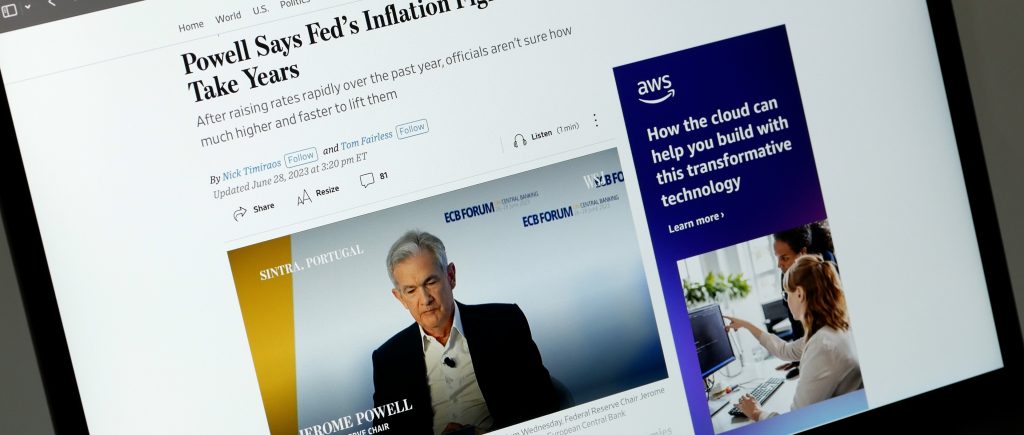
Global financial markets remain highly sensitive to shifting economic signals as Jerome Powell warned that rising energy costs linked to ongoing geopolitical tensions could keep inflation elevated for longer than expected. Investors are now reassessing the outlook for interest rates, growth, and market stability as oil-driven price pressures ripple through the global economy.
Early-week trading showed cautious optimism, with equities attempting to stabilize after recent volatility. However, sentiment remains fragile, as traders continue to respond to developments in energy markets and geopolitical risks that could reshape inflation trends.
Energy Shock Keeps Inflation at the Center of Policy Debate
The latest surge in oil prices has intensified concerns that inflation could prove stickier than previously forecast. Energy remains the most immediate transmission channel, affecting transportation, production costs, and consumer pricing across multiple sectors. Policymakers are closely monitoring whether these price pressures remain temporary or begin to influence broader economic behavior, including wage expectations and long-term contracts.
Limited Policy Tools Against Supply-Driven Inflation
Central bank officials have reiterated that monetary policy has limited ability to directly counter supply-side shocks such as energy disruptions. Interest rate adjustments typically work with a lag and are more effective against demand-driven inflation than externally triggered price spikes. The focus has therefore shifted toward preventing short-term shocks from becoming long-term inflation expectations, which would be significantly harder to reverse.
Markets Caught Between Growth Concerns and Rate Expectations
Equity markets are experiencing uneven performance, with energy-related sectors benefiting from higher oil prices while rate-sensitive industries remain under pressure. Technology stocks continue to fluctuate as investors weigh long-term innovation potential against tighter financial conditions. Bond markets are also reflecting shifting expectations, with traders adjusting their outlook for potential rate cuts based on inflation persistence.
Labor Market Softness Adds Another Layer of Complexity
Alongside inflation concerns, labor market dynamics are showing signs of cooling. Hiring has slowed, creating a cautious environment where companies are reluctant to expand aggressively but are also avoiding large-scale layoffs.
This “low hiring, low firing” pattern is adding uncertainty for job seekers, particularly younger workers entering a rapidly evolving employment landscape.
Policy Outlook: Patience in a Volatile Environment
Despite rising pressures, policymakers are expected to maintain a cautious stance. The central challenge remains balancing inflation risks against signs of gradual labor market softening. For now, the path forward depends heavily on whether energy-driven inflation stabilizes or continues to escalate, potentially forcing a reassessment of monetary policy later in the year.