Noor Trends News, Technical Analysis, Educational Tools and Recommendations

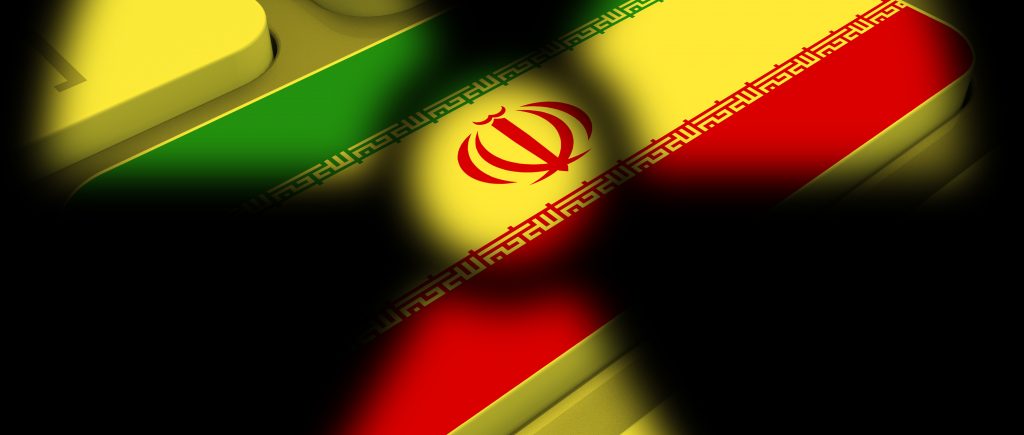
The Iran–United States tensions have returned to the center of global attention, creating a delicate balance between diplomatic engagement and geopolitical pressure. Recent developments reflect an environment where negotiations remain open but fragile, with both sides signaling willingness to continue talks while maintaining firm political positions.
This dual dynamic has fueled uncertainty across financial markets, as investors attempt to assess whether the situation is moving toward de-escalation or a new phase of confrontation. Western diplomatic assessments suggest the current stage represents a critical test of whether nuclear discussions can remain isolated from broader regional disputes that continue to complicate progress.
Disagreements Over Scope Complicate the Path Forward
At the heart of the current impasse lies disagreement not only over substance but also over the scope of negotiations. Washington is seen pushing for a broader framework addressing wider regional concerns, while Tehran continues to emphasize a narrower focus centered on nuclear commitments and economic relief. This divergence explains the slow pace of progress despite reports describing recent exchanges as constructive in tone.
Regional political pressure to expand the agenda has further complicated the outlook, reducing the likelihood of a quick breakthrough. Political observers note that both sides appear to be managing time carefully, with the United States maintaining pressure without triggering direct confrontation, while Iran seeks to ease external tensions amid ongoing domestic economic challenges.
Energy Markets React First as Risk Premium Returns
Financial markets responded quickly during Wednesday’s North American session, with oil prices moving higher as geopolitical risk returned to energy pricing. Traders increasingly priced in the possibility of supply disruptions should tensions escalate in the Gulf region, where global energy flows remain highly sensitive to political developments. Even without concrete disruptions, the mere possibility of additional pressure on Iranian oil exports was enough to support prices, highlighting the market’s sensitivity to geopolitical headlines. Economic estimates in Western reports suggest that sustained uncertainty alone could keep energy prices elevated in the near term, particularly if negotiations remain inconclusive.
Safe Havens Gain Attention as Investors Reduce Exposure
Across broader asset classes, investor behavior reflected a shift toward caution. Gold maintained strong demand as a traditional safe-haven asset, while the US dollar traded with mixed momentum amid expectations tied to upcoming economic data and interest rate outlooks. Equity markets showed resilience but with noticeable rotation into defensive sectors, as investors avoided aggressive positioning ahead of clearer political signals.
Market participants increasingly favored capital preservation strategies, reflecting concerns that sudden geopolitical developments could quickly alter sentiment. Financial commentary in Western sources indicates that a rapid easing of tensions could restore risk appetite, while escalation would likely accelerate flows into safe assets such as gold and government bonds.
A Pivotal Moment for Markets and Geopolitics
The Iran–US situation now stands at a pivotal juncture where political decisions carry immediate economic consequences. Markets during the North American session demonstrated relative stability, yet underlying volatility remains closely tied to geopolitical headlines.
For investors, the coming period is likely to remain dominated by uncertainty, with price movements increasingly driven by diplomatic signals rather than purely economic fundamentals. Until clearer direction emerges, global markets are expected to remain sensitive to developments, balancing between hopes of diplomatic progress and the persistent risk of escalation.