Noor Trends News, Technical Analysis, Educational Tools and Recommendations

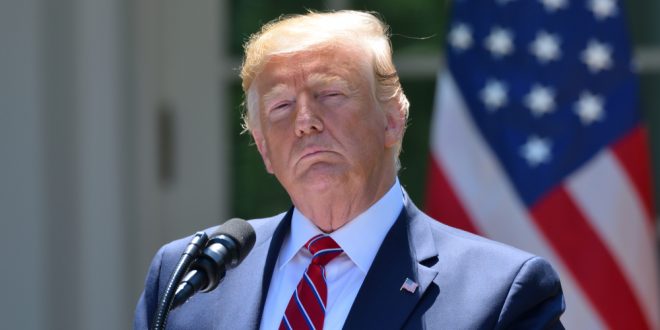
Tehran demands an immediate halt to strikes, war damage compensation, and Strait of Hormuz transit fees as diplomatic efforts enter a critical stage.
Iran has set out a series of preconditions for entering talks with the United States aimed at reaching a “lasting peace,” Reuters reported on Tuesday, citing a senior Iranian source — raising fresh uncertainty over whether a deal can be reached before President Donald Trump’s self-imposed deadline expires.
Tehran’s Demands Take Shape
According to Reuters, Iran’s preconditions include an immediate cessation of strikes, firm guarantees against future attacks, and compensation for war damages sustained since the conflict began. Under any permanent ceasefire arrangement, Tehran would also seek to begin collecting transit fees from vessels passing through the Strait of Hormuz, with charges varying based on ship type and cargo — a provision likely to complicate negotiations significantly.
Iran had previously rejected a proposal from U.S. and regional mediators that would have paused the fighting for 45 days in exchange for reopening the strait. Tehran has since submitted its own 10-point peace plan to Washington through state media channels, though reports suggest it falls well short of what Trump would find acceptable.
Pakistan Mediation Nears “Critical Stage”
Separately, Iran’s ambassador to Pakistan, Reza Amiri Moghadam, suggested on social media that mediation efforts led by Islamabad were approaching a “critical, sensitive stage,” without offering further detail beyond a cryptic call to “stay tuned for more.” The comment briefly lifted hopes that a breakthrough might be within reach before the deadline passed.
Trump Holds Firm — But Leaves Door Open
President Trump has threatened to destroy “every bridge” and “power plant” in Iran if Tehran fails to agree to a deal reopening the Strait of Hormuz by 8 p.m. ET on Tuesday. He warned that any fresh wave of U.S. strikes would leave Iran needing “100 years to rebuild.” Despite the combative rhetoric, Trump acknowledged that a diplomatic outcome remains possible, and media reports indicated he could delay planned military action if credible signs of a breakthrough emerge.
Axios, citing U.S. officials, reported that Trump remains open to any deal taking shape through ongoing negotiations, though it remains unclear whether Iran is willing to make the concessions Washington is seeking.
A War That Continues to Spread
The conflict, which erupted following joint U.S. and Israeli strikes on Iran in late February, shows little sign of abating. Israel has continued striking targets inside Iran and hitting Hezbollah-aligned militants in Lebanon, while Iran has retaliated with attacks on key energy infrastructure across the Persian Gulf. Iran and Israel exchanged strikes again on Tuesday, and the Wall Street Journal reported, citing multiple U.S. officials, that the American military is actively preparing for possible strikes on energy targets inside Iran.
Oil Markets on Edge
Crude prices remain sharply elevated, hovering around $110 per barrel on Tuesday — more than 50% above pre-war levels of roughly $70 a barrel. The near-closure of the Strait of Hormuz, through which approximately one-fifth of the world’s oil supply flows, has been the primary driver of the surge, stoking fears of a prolonged inflationary shock and a drag on global economic growth.
With Trump’s deadline fast approaching and diplomatic signals mixed at best, markets are bracing for a volatile night — and potentially a far more turbulent morning.