Noor Trends News, Technical Analysis, Educational Tools and Recommendations

Efforts to broker a ceasefire between the United States and Iran are facing mounting challenges, as Tehran pushes back against pressure to reopen the Strait of Hormuz despite ongoing diplomatic initiatives.
Ceasefire Framework Meets Resistance
A proposed framework aimed at ending the five-week conflict outlines an immediate ceasefire followed by negotiations toward a broader agreement within 15 to 20 days. However, Iran has signaled strong reluctance to accept key terms, particularly any requirement to reopen the Strait of Hormuz as part of a temporary deal.
According to officials, Tehran views control over the strait—through which roughly one-fifth of global oil and gas flows—as a critical strategic leverage point and is unwilling to relinquish it under pressure.
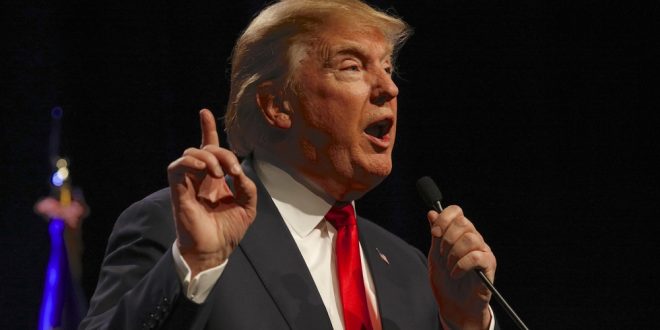
Iran has also rejected deadlines imposed by Donald Trump, stating that negotiations cannot proceed under threats or ultimatums.
Diplomatic Efforts Intensify but Remain Fragile
The ceasefire proposal, reportedly facilitated by Pakistan, emerged from intensive overnight discussions involving senior U.S. and Iranian officials, alongside regional mediators. While the framework offers a potential pathway to de-escalation, it remains one of several ideas under consideration and has not yet received formal approval from Washington.
U.S. officials have indicated that military operations are ongoing, underscoring the uncertainty surrounding the proposal and its chances of success.
Escalation Risks Persist Across the Region
Despite diplomatic engagement, fighting continues across the region. Airstrikes and counterattacks have targeted energy infrastructure, petrochemical facilities, and strategic المواقع, highlighting the ongoing intensity of the conflict.
Israeli officials have also warned of expanded operations targeting Iranian infrastructure, while Tehran has demonstrated its ability to retaliate across multiple fronts, including attacks on energy assets and maritime targets.
Energy Markets Remain on Edge
Oil markets have reacted sharply to developments, with prices remaining elevated amid concerns over prolonged supply disruptions. The Strait of Hormuz continues to be a central pressure point, with restricted tanker traffic amplifying fears of a sustained energy shock.
Even tentative ceasefire discussions have only partially eased market anxiety, as investors remain focused on whether any agreement will include a meaningful reopening of the strait.
Human and Economic Toll Mounts
The conflict has already resulted in significant casualties and widespread infrastructure damage, while also disrupting regional economies and global trade flows.
Attacks on energy and industrial facilities have compounded the economic fallout, raising concerns about longer-term impacts on supply chains and inflation.
Outlook
While diplomatic channels remain open, the path to a ceasefire is increasingly uncertain. Iran’s resistance to key conditions—particularly around the Strait of Hormuz—suggests that negotiations may be prolonged and complex.
Until a concrete agreement is reached, geopolitical risks are likely to remain elevated, keeping energy markets volatile and global investors on edge.